Nittanya Auto
When you notice rust on your brake discs, you might wonder, "why is my brake disc rusty?" This common issue can happen for various reasons. Understanding why this occurs is crucial for maintaining vehicle safety and performance. Rust can form due to moisture exposure, especially if your car is parked for extended periods.
The condition of your brake discs can significantly impact braking efficiency. Rust can create uneven surfaces, leading to poor brake performance. Additionally, it may contribute to squeaking and grinding noises during braking. Regular inspection of your brake components is essential. It allows you to identify rust early and prevent potential hazards.
Addressing rusty brake discs may involve simple cleaning or complete replacement. However, it’s important to seek professional advice. Relying on expert knowledge ensures that you handle the issue correctly. Every vehicle owner should be aware of rust's implications. Neglecting rusty brake discs can lead to serious safety risks on the road.
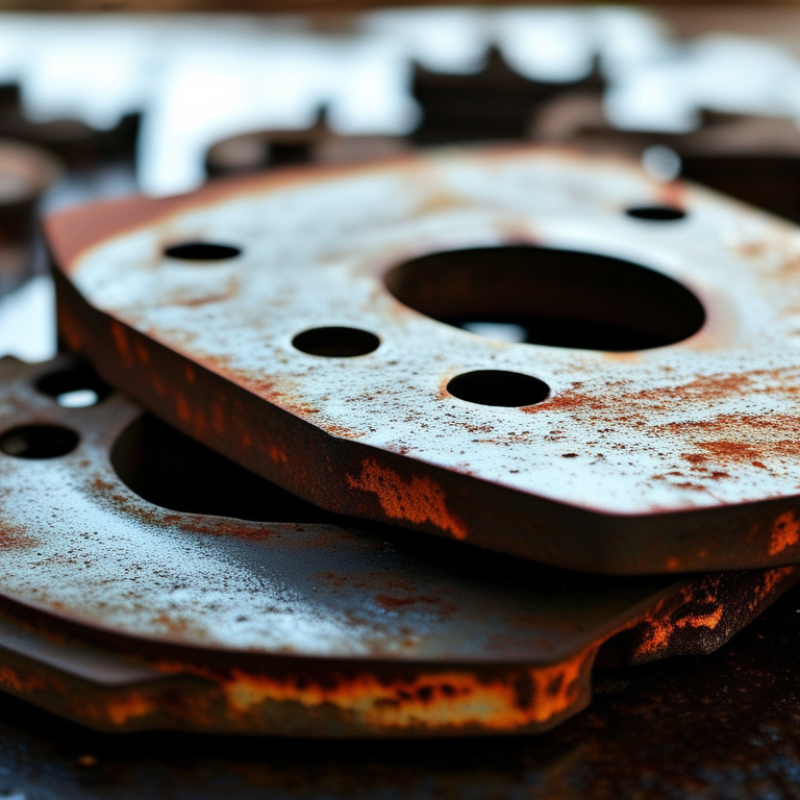
Rusty brake discs are a common issue faced by vehicle owners. Understanding the underlying causes can help in preventing and addressing this problem effectively. One primary reason for rust on brake discs is moisture exposure. Even a short period of rain can lead to rust formation, particularly if the vehicle remains stationary. According to industry experts, nearly 70% of brake disc rust occurs in humid conditions.
Another significant factor contributing to brake disc rust is prolonged inactivity. Vehicles left unused for weeks or months often develop surface rust. Studies show that rust can form within 24 hours of wet exposure, demonstrating the speed at which this issue can arise. Friction from braking can often wear away thin layers of rust, but persistent exposure may require more severe interventions.
Additionally, using low-quality brake components may exacerbate rust issues. Experts recommend using premium materials for long-lasting performance. Regular cleaning and maintenance can help in mitigating corrosion. However, not all brake discs are designed equally, leading some to be more susceptible to rust than others. As a vehicle owner, being proactive is key to maintaining brake health and ensuring safety on the road.
Rusty brake discs are a common issue for many vehicle owners. The main symptoms include a grinding noise during braking and lower responsiveness. According to a study by the Society of Automotive Engineers, rust can increase stopping distance by 10 to 20 percent. This can be particularly dangerous in emergency situations, where every foot matters.
When brake discs rust, the build-up of corrosion affects their surface. Regular visual inspections can help catch early signs of rust. A thin layer of rust may cause minor squeaks. However, if the discs are heavily corroded, they may need to be replaced entirely. Professional estimates suggest that 15% of vehicles might have compromised brake performance due to rust. This can pose serious safety risks.
In terms of ownership, vehicle maintenance habits can lead to rust formation. For instance, driving frequently on wet roads without proper maintenance accelerates corrosion. Addressing this issue often requires more than just cleaning. In some cases, resurfacing or replacing the brake discs becomes necessary. If you notice symptoms, don’t ignore them. Ignoring rust can lead to costly repairs and pose a significant risk to safety on the road.
When inspecting your brake discs for rust, start by safely lifting your vehicle. Use a jack and secure it with jack stands. This ensures stability while you work. Remove the tires to gain access to the brake components. A close examination reveals surface rust on the discs. Light rust can be common, especially in humid conditions or if the vehicle is parked for long periods.
Next, use a clean cloth to wipe away any visible rust. You may notice some areas are more affected. If rust persists, a wire brush can help remove it. Be gentle to avoid scratching the surface. Check for pitting or severe corrosion. This may indicate deeper issues. Look closely at the brake pads too. Worn pads can exacerbate rust problems.
After your inspection, consider the need for further action. If the rust is minimal, your brakes may be fine with regular usage. However, significant rust might warrant replacement. Reflect on your driving habits. Frequent short trips can lead to more rust buildup. Regular maintenance is key for brake longevity. Remember, prioritizing safety is crucial. Always consult a professional if in doubt about the condition of your brake discs.
This chart illustrates the average rust level of brake discs as vehicles age. As shown, the rust level tends to increase significantly after the vehicle is more than 2 years old, indicating potential maintenance needs for older vehicles.
Brake discs can rust due to exposure to moisture and road salt. This rust not only affects appearance but can also impact braking performance. Regular maintenance is essential to ensure your brake discs function properly.
To clean rusted brake discs, start with a wire brush. This tool helps remove surface oxidation effectively. After brushing, apply a cleaning solution designed for automotive parts. Rinse thoroughly with water and dry completely to prevent new rust formation. Regularly inspect your brake discs for signs of deterioration. Consider using a non-corrosive lubricant on their components.
Preventive measures are crucial. Seal your brake discs with protective coatings. Additionally, make a habit of driving regularly. This practice keeps the discs heated, reducing moisture buildup. Taking these steps can extend the lifespan of your brake components significantly. However, if rust persists, consulting a professional mechanic may be necessary.
Rusty brake discs can be a common sight, especially after exposure to moisture and road salt. However, knowing when to seek professional help is crucial. According to the Automotive Brake Engineering Council, up to 30% of brake disc failures result from neglecting early signs of rust.
If you notice significant rust accumulation or pitting, it’s essential to consult a qualified technician. Their expertise can identify underlying issues, which often include uneven wear or compromised components. A professional can also assess whether the discs are salvageable or need replacement. DIY solutions may not always address deep-seated problems adequately.
Regular maintenance can help prevent serious corrosion. A study by the Institute of Automotive Engineers suggests that vehicle owners should inspect their brake systems bi-annually. This proactive approach helps catch issues early, potentially saving on costly repairs later. Trusting a professional ensures safety and extends the lifespan of your braking system. Ignoring minor rust spots now may lead to significant problems down the line.
: Safely lift your vehicle using a jack. Secure it with jack stands for stability.
Examine the brake discs closely. Look for surface rust, pitting, or severe corrosion.
Use a clean cloth to wipe away visible rust. For persistent rust, a wire brush can help.
Significant rust may require brake disc replacement. Reflect on your driving habits too.
Regular inspections, using cleaning solutions, and applying protective coatings can prevent rust.
Rust forms due to moisture exposure and road salt. Humid conditions also contribute.
Regular inspections are essential, especially if you park the vehicle for long periods.
Yes, regular driving keeps brake discs heated, reducing moisture buildup and rust risk.
A wire brush and a specialized cleaning solution are effective for cleaning.
Consult a mechanic if rust persists or if you're unsure about your brake discs' condition.
Rusty brake discs can be a common concern for vehicle owners, often leading to questions such as "why is my brake disc rusty?" Understanding the causes of rust accumulation on brake discs is essential; factors like moisture exposure, lack of use, and poor maintenance can contribute to this problem. Common symptoms include decreased braking performance, unusual noises, and vibrations during braking, which can compromise safety.
To address rust on brake discs, a thorough inspection is crucial, followed by effective cleaning methods such as wire brushing and applying appropriate rust inhibitors. Regular maintenance practices can help prevent rust formation in the future. However, if the rust is severe or if there are significant performance issues, seeking professional help is advisable to ensure optimal braking safety and functionality.
