Nittanya Auto
Nittanya Auto
Nittanya Auto
Explore our precision-machined aftermarket and OE-replacement braking components built for reliable thermal dissipation.
The strategic position of advanced ventilated brake disc manufacturing in modern automotive supply chains.
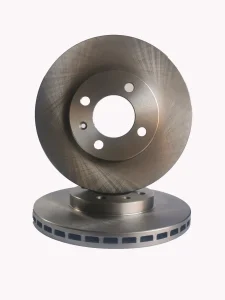
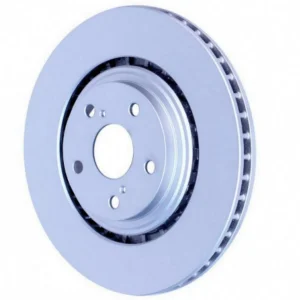
Modern commercial logistics require components that mitigate heat buildup. Ventilated brake rotors feature integrated internal cooling vanes, leveraging centrifugal force to channel ambient air. This process reduces operational thermal stress, minimizing brake fade and preserving consistent friction coefficients under heavy loads.
Global environmental mandates pressure manufacturers to optimize rotor weight without reducing structural integrity. High-carbon cast iron alloys combined with complex vane geometry allow for thinner walls and less rotating mass, reducing unsprung weight and tailpipe emissions or battery drain.
Electric vehicles use regenerative braking, but emergency stops and high-speed decelerations require reliable mechanical backup. Since EVs carry heavy battery packs, the friction braking system must manage extreme kinetic energy spikes, making robust ventilated rotors essential for safety.
A detailed look at advanced casting, geometry options, and finish coatings.
Modern ventilated brake rotors are manufactured using gray cast iron, specifically meeting or exceeding **ASTM A48 Class 30** (or European standard **GG25/EN-GJL-250**). The carbon-to-silicon ratio is controlled to ensure optimal thermal conductivity and dampening properties. Higher carbon content (specifically 3.4% - 3.8% in high-carbon alloys) forms long, interconnected graphite flakes. This microstructure conducts heat away from the friction face, reducing thermal gradients that cause hot spots, heat checking, and rotor cracking.
The cooling performance of a ventilated rotor depends on its internal vane design. Our engineering team uses computational fluid dynamics (CFD) to analyze air currents through the rotor body:
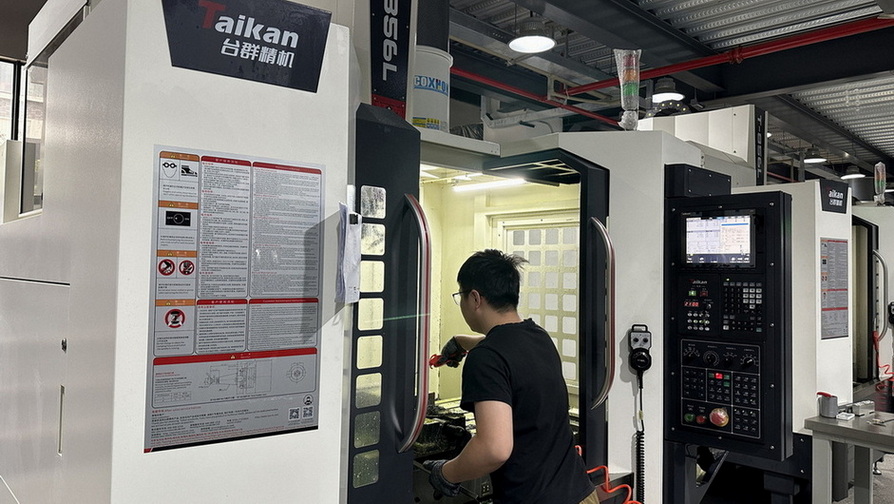
To prevent brake judder and pedal pulsation, machining tolerances must be held within strict limits. Our CNC processing lines maintain lateral runout below **0.01 mm** and thickness variation (DTV) within **0.005 mm**. Every rotor undergoes dynamic balancing. High-precision balancing machines locate weight imbalances, which are corrected via milled edge cuts. This step guarantees vibration-free performance even under high thermal load.
Rotors are exposed to road salts, moisture, and debris. We offer several protective coatings to prevent oxidation in the cooling vanes and hub areas:
Professional manufacturer and exporter specializing in automotive braking system components.
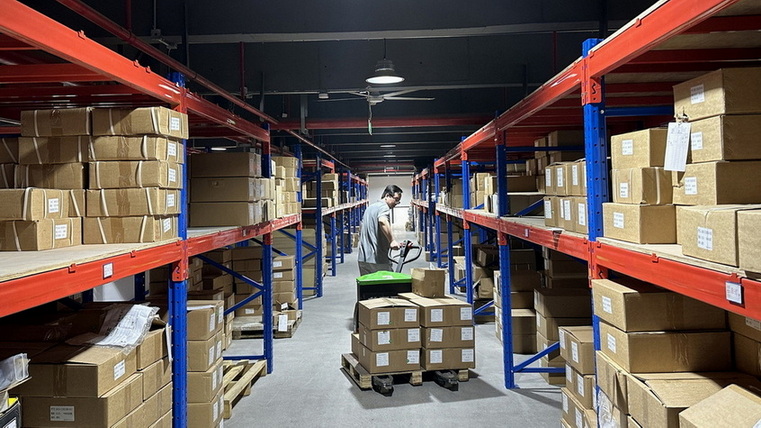
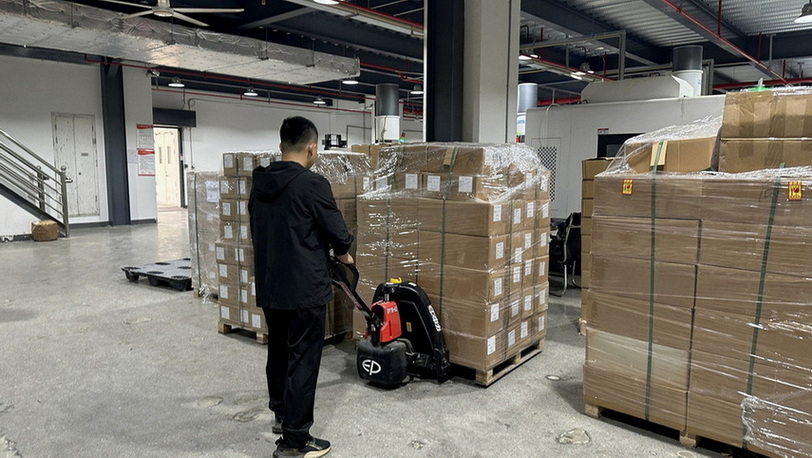
Qingdao Nittanya Auto Co., Ltd. is a professional manufacturer and exporter specializing in automotive braking system components, including brake discs, brake drums, brake hubs, and related auto parts. Located in Qingdao, China, one of the country's most important international port cities, the company enjoys convenient transportation and excellent logistics advantages for global shipments.
Since its establishment, Nittanya Auto has been committed to providing high-quality automotive parts to customers worldwide. With years of industry experience and continuous technological innovation, the company has developed into a reliable supplier serving customers across Europe, North America, South America, Africa, the Middle East, and Asia.
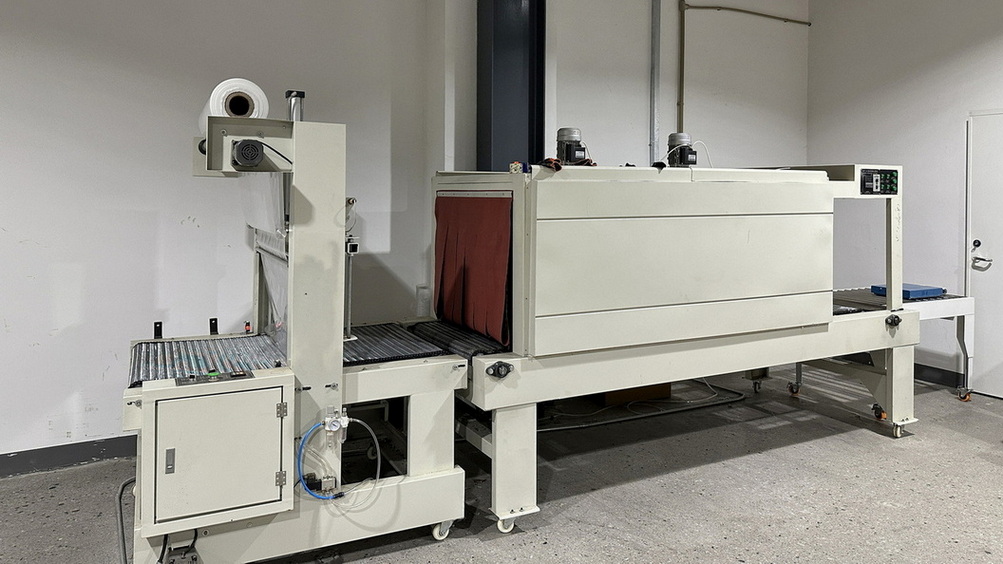
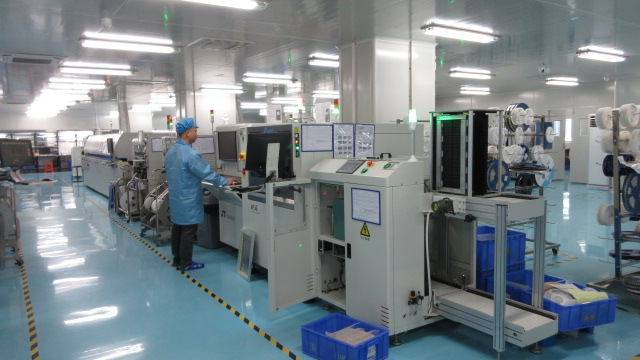
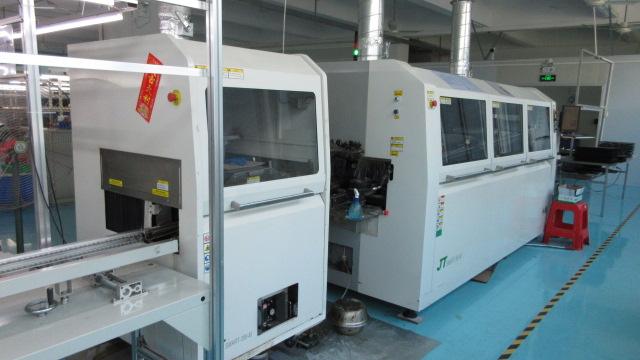
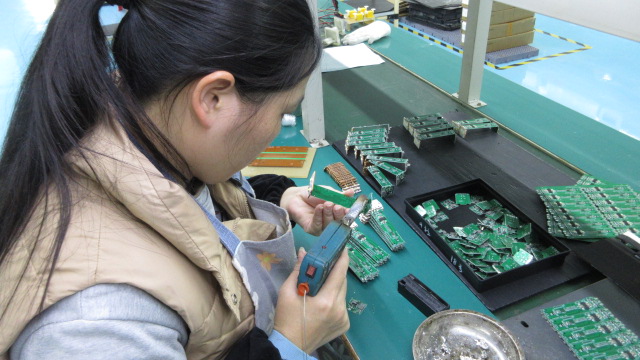
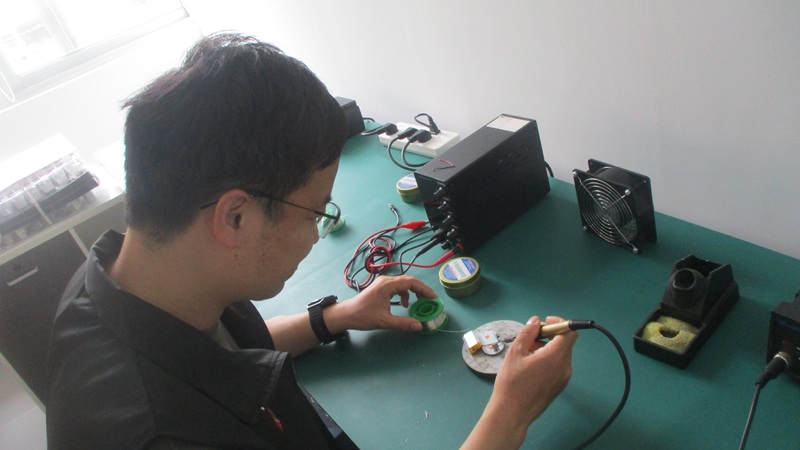
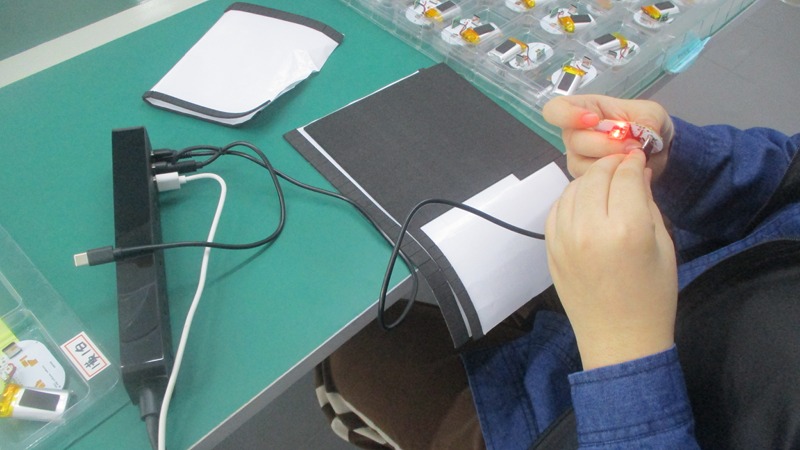
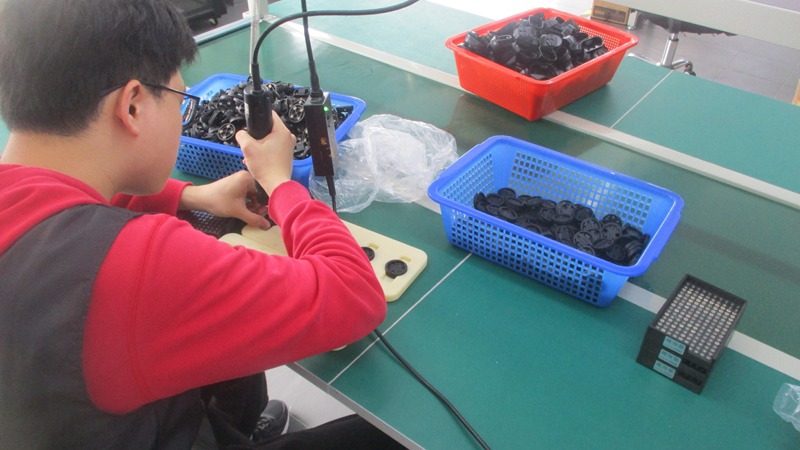
Our production facilities are equipped with advanced casting, machining, balancing, and testing equipment, ensuring stable production capacity and strict quality control throughout every manufacturing process. The annual production capacity exceeds one million pieces, enabling us to meet the diverse demands of both OEM and aftermarket customers.
Nittanya Auto possesses a strong technical team consisting of experienced engineers and skilled professionals dedicated to product development, quality improvement, and technical support. Our extensive product range covers more than 1,000 models suitable for European, American, Japanese, Korean, and other international vehicle applications.
Quality is at the core of our business. We implement rigorous inspection procedures and continuously improve our manufacturing processes to ensure that every product meets international quality standards and customer expectations. In addition, we offer flexible OEM and ODM services, helping customers develop customized solutions for their specific market requirements.
Guided by the principles of excellent quality, competitive pricing, timely delivery, and professional service, Qingdao Nittanya Auto Co., Ltd. strives to build long-term and mutually beneficial partnerships with customers around the world. We sincerely welcome friends and business partners from both domestic and overseas markets to visit our company, discuss cooperation opportunities, and create a successful future together.





Detailed technical explanations for fleet managers, distributors, and automotive engineers.
Explore our complete catalog of specialized, high-performance, and lightweight aftermarket brake rotors.