Nittanya Auto Nittanya Auto

Why Are My Brake Rotors Turning Blue and What Should I Do?

Time:2026-08-30 Author:Mason
0%

Understanding why brake rotors are turning blue is crucial for any vehicle owner. The discoloration is often a sign of overheating and can indicate a serious problem. According to a report by the Brake Manufacturers Council, excessive heat can reduce brake performance by up to 25%.

The blue tint may raise a question: why are my brake rotors getting blue? It's a visual cue that shouldn't be ignored. When rotors reach high temperatures, structural changes occur. Metal can weaken, leading to cracks or warping. Studies suggest that continuous overheating can decrease rotor lifespan significantly.

Being aware of your vehicle's braking system is important. Regular maintenance and inspections are essential. Don’t overlook any signs of brake issues. If you notice blue rotors, consider seeking professional advice. Ignoring this warning may lead to costly repairs down the road.
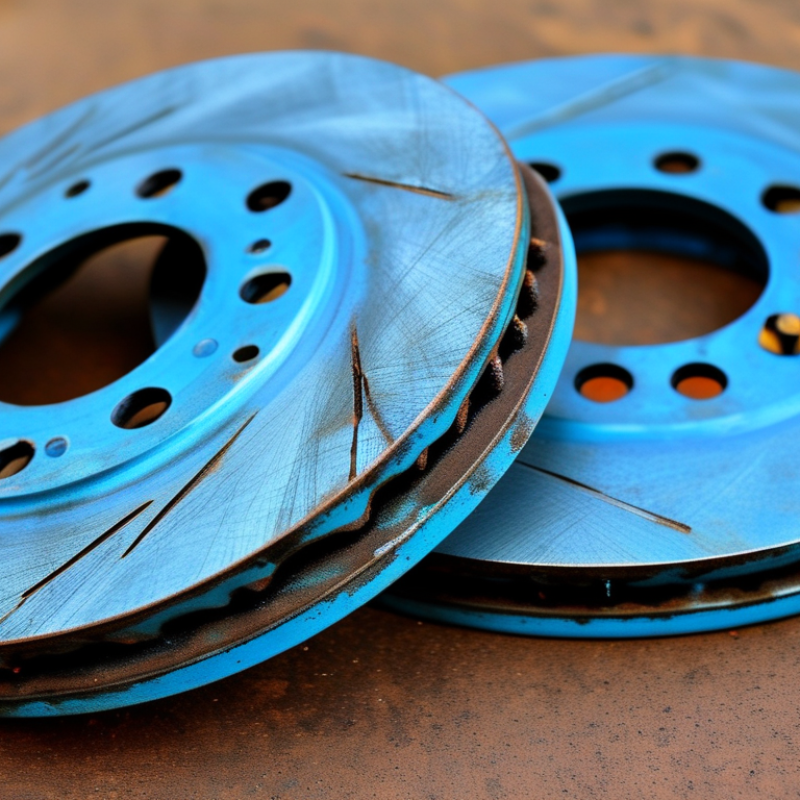
Why Are My Brake Rotors Turning Blue and What Should I Do?

Understanding the Color Change of Brake Rotors

Brake rotors can turn blue due to excessive heat. When brakes are applied heavily, they generate friction. This friction leads to overheating, causing the steel rotors to change color. The heat can create a blue hue, indicating that the rotors are experiencing stress. This phenomenon is not uncommon in high-performance driving situations.

Understanding the color change is crucial. If your rotors are blue, it may signal overheating. This could lead to warping or reduced braking efficiency. It's essential to check your brakes regularly. A professional inspection may be required to assess the condition of the rotors. Sometimes, simply switching to a different type of brake pad can help.

Overheated rotors can be a sign of underlying issues. If your vehicle is consistently overheating the brakes, this needs attention. It could stem from a malfunctioning caliper or insufficient cooling. Taking time to reflect on your driving habits is essential. Adjustments in driving style may also help prevent this issue in the future. The color change serves as a warning, and addressing any potential problems is vital for safety.

Causes of Blue Discoloration on Brake Rotors

Brake rotors can turn blue for several reasons, often pointing to overheating. When brake components reach excessive temperatures, the metal can temper and change color. This phenomenon typically appears on iron and carbon-based rotors. Excessive heat can arise from aggressive braking, worn-out pads, or insufficient cooling.

A study from the Society of Automotive Engineers detailed that extreme heat can cause a decline in braking efficiency. Temperatures above 800°F can alter the steel's structure, making it more susceptible to warping. Additionally, blue discoloration often indicates that the rotor has lost its optimal friction characteristics. Regularly checking rotors can prevent safety issues.

Monitoring driving habits can help mitigate overheating. Frequent hard stops can accelerate rotor wear. Upgrading your braking system may be beneficial if you experience frequent blue discoloration. Rotors should be inspected during routine maintenance. Engaging in gentle braking and allowing time for cooling after prolonged use can extend rotor life and maintain performance.

Effects of Overheating on Brake Rotors Performance

Brake rotors can turn blue due to overheating. This discoloration indicates extreme temperatures that can negatively impact performance. Studies show that brake temperatures exceeding 800°F (427°C) can cause significant changes in rotor material properties. The formation of blue spots suggests that the metal is experiencing thermal fatigue. This situation can lead to reduced friction and increased stopping distances.

Overheating can result in brake fade, making the brakes less responsive. In fact, data highlights that a drop in brake efficiency can reach 30% after prolonged exposure to high temperatures. When braking, the heat generated can warp rotors. This warping creates vibrations and uneven wear, further compromising the braking system. If the rotors remain blue, it's vital to reevaluate driving habits and maintenance routines. Attention to potential overheating minimizes risks.

Regular inspections are critical. Having a professional evaluate rotor condition ensures timely interventions. If discoloration is noted, replacing or resurfacing may be necessary. It’s prudent to understand how heat affects braking performance. Maintaining optimal temperatures can prevent costly repairs and enhance safety.

Steps to Diagnose and Address Rotor Issues

Brake rotors turning blue is a sign of excessive heat. This change in color indicates that your braking system may be experiencing high friction levels. Overheating can lead to rotor warping or reduced braking efficiency. Research shows that temperatures exceeding 500 degrees Fahrenheit can alter the material properties of rotors. Understanding these factors is crucial for maintaining your vehicle's safety.

To diagnose rotor issues, start with a visual inspection. Look for discoloration or warping on the surface. If the rotors appear uneven, they may require resurfacing or replacement. Conducting a proper inspection also includes checking brake pads for wear. According to automotive studies, worn pads can escalate heat levels on rotors. If needed, replace them alongside the rotors to ensure optimal performance.

Consider your driving habits. Frequent hard braking can lead to overheating and discoloration. Evaluating your driving style could help mitigate future issues. Regular maintenance practices, like checking brake fluid levels and ensuring proper caliper function, can prevent overheating. Many professionals suggest replacing rotors every 50,000 miles, but this can vary based on driving conditions. Maintaining awareness of these aspects is essential for your vehicle's braking system longevity.

Reasons for Brake Rotor Discoloration

Preventive Measures to Maintain Brake Rotor Condition

Brake rotors can turn blue due to excessive heat. This typically indicates overheating, often caused by heavy braking or lack of ventilation. Heat affects the rotor material, leading to changes in color and potential warping. Timely attention to this issue is crucial for maintaining vehicle safety and performance.

To prevent rotor discoloration, regular inspections should be part of vehicle maintenance. Industry reports indicate that nearly 55% of brake failures are linked to wear and poor maintenance. Adhering to a routine inspection schedule can mitigate these risks. It’s advisable to check rotor thickness and surface condition regularly.

Driving habits play a significant role in brake health. Gentle braking techniques can reduce heat buildup. Avoiding sudden stops or aggressive driving helps maintain optimal rotor condition. Also, using the right brake pads can enhance performance. Research suggests that using high-quality aftermarket pads can improve heat dissipation, thus prolonging rotor lifespan. Regular maintenance not only improves safety but also contributes to overall vehicle efficiency.

FAQS

: Why do brake rotors turn blue?

: Brake rotors turn blue due to overheating from aggressive braking or worn-out pads. This indicates extreme temperatures.

What temperatures cause brake rotors to discolor?

Temperatures above 800°F can alter the rotor's structure and may lead to blue discoloration. This is a sign of thermal stress.

How does overheating affect braking performance?

Overheating can reduce braking efficiency by up to 30%. This leads to brake fade and longer stopping distances.

What should I monitor to prevent blue discoloration?

Regularly check driving habits, rotor condition, and perform routine inspections to prevent overheating and ensure safety.

What are the signs of overheating in brake rotors?

Signs include blue discoloration, changes in rotor thickness, and vibrations while braking. These indicate potential warping.

How can I extend the life of my brake rotors?

Use gentle braking, avoid sudden stops, and allow time for cooling. Regular inspections and proper maintenance are crucial.

What maintenance practices should I follow?

Inspect rotors regularly, check their surface condition, and replace worn-out pads. This can prevent wear and overheating.

What happens if I ignore blue brake rotors?

Ignoring discoloration can lead to serious safety issues, such as brake failure or accidents. Timely evaluation is essential.

Can driving aggressively affect brake components?

Yes, aggressive driving accelerates wear and overheating. This can impact braking performance and lead to premature rotor damage.

Should I replace blue rotors immediately?

Not always. A professional evaluation is needed to determine if resurfacing or replacement is necessary based on condition.

Conclusion

The article "Why Are My Brake Rotors Turning Blue and What Should I Do?" delves into the common issue of blue discoloration on brake rotors, which can indicate overheating. Understanding the color change is crucial as it often points to excessive heat buildup, typically caused by aggressive driving, heavy braking, or worn-out brake components. The blue hue can weaken the rotors and negatively impact braking performance, leading to potentially dangerous situations.

To address the question, "why are my brake rotors getting blue," the article emphasizes the importance of diagnosing the underlying causes, which may include checking the brake pads and calipers for wear. It also outlines steps to remedy the issue, such as resurfacing or replacing the rotors. Additionally, implementing preventive measures like regular inspections and moderate driving habits can help maintain the condition of brake rotors, ensuring they function efficiently and safely.

Mason

Mason

Mason is a seasoned marketing professional with a deep expertise in the company's offerings and a passion for driving brand awareness. With a strong background in digital marketing strategies, he has an innate ability to connect with diverse audiences and effectively communicate product benefits.......