Nittanya Auto
Brake rotors are crucial for vehicle safety. They play a key role in stopping your vehicle efficiently. However, many drivers face the issue of warped brake rotors. This problem can lead to dangerous driving situations. Understanding what causes brake rotor warping is essential for every car owner.
Heat is a major factor in rotor warping. Driving habits such as sudden braking can elevate temperatures. This heat can lead to uneven wear. Quality of the brake rotors also matters. Poor-quality materials can warp more easily than premium options. Additionally, regular maintenance is often overlooked. Skipping routine checks can result in significant issues.
Many drivers may not realize the subtle signs of warping. Vibrations during braking can indicate a problem. Addressing these issues early can prevent costly repairs. Regular inspections help identify wear before it becomes serious. By understanding what causes brake rotor warping, drivers can make informed choices. This knowledge is crucial for safe driving and long-lasting vehicle performance.
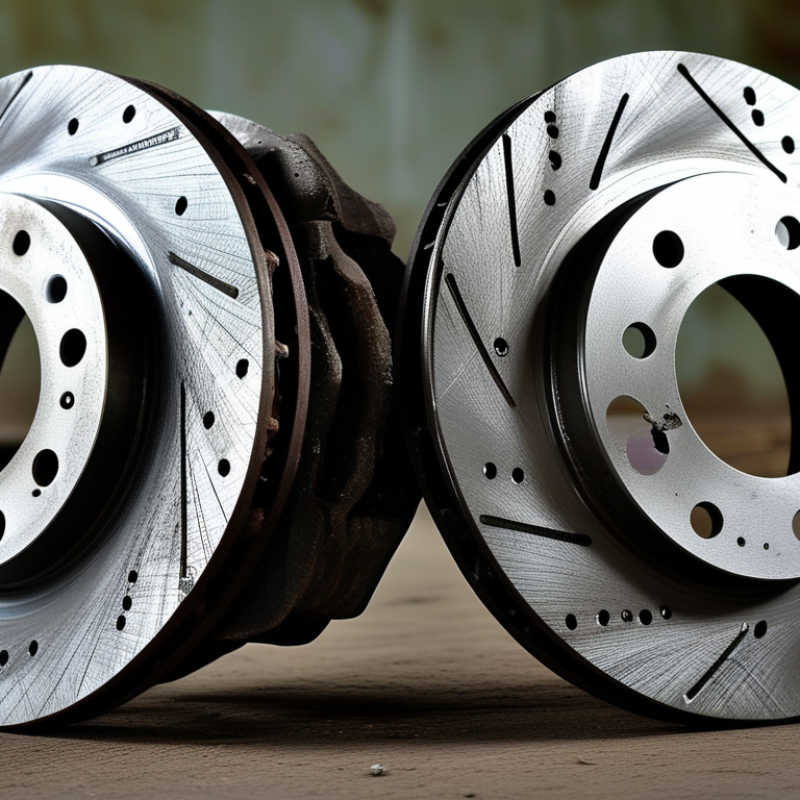
Brake rotor warping can severely impact vehicle performance. This condition occurs when the rotor, a crucial component of the braking system, becomes unevenly shaped. Heat generated during braking can cause the metal to expand and warp, leading to vibrations and reduced braking efficiency. Understanding this basic concept can help car owners recognize symptoms early.
The effects of warped rotors are noticeable. Drivers may feel vibrations in the steering wheel or experience a decrease in stopping power. These signs indicate that the rotors need attention. Regular maintenance can help prevent warping. Ensuring that brake pads are in good condition and replacing them when worn down is essential. Additionally, avoiding sudden stops and heavy braking can extend rotor life.
Despite these preventive measures, some drivers may still encounter issues. They might not check their brakes regularly. Ignoring minor signs can lead to larger problems. It’s critical to prioritize brake health to maintain safety. Emphasizing proper driving habits and routine inspections can create a more reliable driving experience. Ensuring the integrity of brake components reflects responsible vehicle ownership.
Brake rotor warping is a common issue that can affect vehicle safety and performance. Excessive heat is a primary factor. When the brakes are applied, friction generates a lot of heat. If the rotors are not properly cooled down, warping can occur. This problem often arises from driving habits, such as frequent hard braking or extended periods in stop-and-go traffic. Low-quality rotors can exacerbate this issue. It’s vital to consider the materials used in brake components.
Improper installation is another factor leading to rotor warping. If the rotors are not mounted correctly, they can experience uneven pressure. This can increase the likelihood of warping over time. Regular maintenance is equally important. Neglecting brake inspections may lead to unnoticed wear and tear. Keeping an eye on rotor thickness can prevent severe issues.
Additionally, temperature fluctuations contribute to warping. Driving in extreme weather conditions may affect the rotor’s integrity. Continuous exposure to moisture can lead to rust, further weakening the rotors. Finding the right balance between driving style and maintenance practices is crucial. Taking the time to understand these factors can save you from costly repairs in the future.
Heat plays a significant role in the integrity of brake rotors. When brakes are applied, friction generates heat. This heat can cause rotors to warp if it exceeds certain thresholds. Warping affects braking performance and can lead to uneven wear. Such conditions may compromise safety.
Consider the type of driving you do. Frequent stop-and-go traffic generates more heat than highway driving. This can increase the likelihood of rotor warping. It's important to monitor the condition of your brakes regularly, especially if you experience vibrations during braking. A quick inspection can reveal issues before they escalate.
Proper maintenance can help mitigate heat-related problems. Using high-quality materials is crucial. Cooling systems, such as vented rotors, can also enhance thermal management. However, even with these measures, heat-related wear will occur over time. Paying attention to your driving habits and the health of your braking system is essential for longevity.
| Causes of Brake Rotor Warping | Effects on Performance | Prevention Methods | Regular Maintenance Tips |
|---|---|---|---|
| Excessive Heat from Braking | Reduced braking performance and increased stopping distances | Avoid prolonged heavy braking, use engine braking | Check rotor condition during regular oil changes |
| Improper Installation | Vibration and noise when braking | Ensure proper torque specifications during installation | Have brakes serviced by a qualified technician |
| Uneven Wear from Brake Pad Misalignment | Uneven braking force and rotor stress | Regularly check and replace worn brake pads | Inspect brake components during tire rotations |
| Corrosion from Environmental Factors | Compromised braking efficiency | Keep rotors clean and dry, apply anti-corrosion coatings | Wash brake components regularly to remove debris |
| Overloading the Vehicle | Increased stress on braking components | Adhere to vehicle load limits | Check load weight before long trips |
Brake rotor warping can lead to unsafe driving conditions and costly repairs. Understanding preventive measures is key to maintaining rotor integrity. Regular maintenance is vital. Checking brake components frequently can prevent issues before they escalate.
Tips: Always inspect brake pads and rotors for signs of wear. Look for uneven surfaces or discoloration. These are early warning signs. Keeping the brake system clean from dust and debris can also help.
Driving habits matter too. Avoid heavy braking whenever possible. Gradual stops can reduce stress on the rotors. Making smooth stops prevents excessive heat build-up. High temperatures contribute to warping. Lastly, ensure the installation of rotors is done correctly. Misalignment can lead to quick wear.
Regularly scheduled brake system checks can extend the life of your rotors. Listening for unusual sounds can help catch potential issues. Taking these simple steps can keep your brake system in top shape.
Regular inspections and maintenance of brake systems are crucial for vehicle safety. According to the Automotive Service Association, up to 30% of all vehicles on the road have brake issues that could lead to accidents. Preventing brake rotor warping is often linked to how well brakes are maintained. A study by the National Highway Traffic Safety Administration found that proper maintenance reduces brake-related failures by an impressive 50%.
Ignoring routine inspections can lead to serious issues. When brakes heat up excessively, rotors can warp unevenly. This condition not only affects braking performance but can also lead to costly repairs. Data from industry surveys indicate that up to 40% of drivers fail to have their brake systems checked annually. Regular maintenance checks can identify early signs of wear and prevent minor issues from escalating.
Professional mechanics recommend inspections every six months or 6,000 miles. These inspections should include a thorough evaluation of the rotor thickness, pad condition, and fluid levels. Investing time in preventative care can save drivers from unexpected breakdowns and safety hazards. While it may seem inconvenient, this practice fosters peace of mind. It's a small price to pay compared to the risks associated with neglecting brake maintenance.
Brake rotor warping can significantly affect vehicle performance and safety. The above chart illustrates the main causes contributing to brake rotor warping, emphasizing the importance of regular maintenance and inspections to mitigate these issues.
: Brake rotor warping occurs when the rotor becomes unevenly shaped, affecting braking performance.
Heat generated from friction can cause rotors to warp if it exceeds specific thresholds.
Drivers may feel vibrations in the steering wheel or notice decreased stopping power.
Regular maintenance, replacing worn brake pads, and avoiding sudden stops can help.
Ignoring minor symptoms can lead to larger problems, compromising vehicle safety.
It’s essential to inspect brakes regularly, especially if you notice any unusual vibrations.
Frequent stop-and-go traffic generates more heat, increasing the likelihood of rotor warping.
Using high-quality materials and vented rotors can enhance thermal management and longevity.
Prioritizing proper driving habits and routine inspections ensures reliable braking performance.
Yes, heat-related wear will occur over time, impacting the integrity of brake components.
Brake rotor warping is a common issue that can significantly affect vehicle performance and safety. Understanding what causes brake rotor warping is crucial for maintaining proper braking function. Factors such as excessive heat, uneven wear, and poor installation contribute to the warping of brake rotors. The impact of heat on rotor integrity is particularly important, as overheating can lead to structural changes that increase the risk of warping.
To prevent brake rotor warping, drivers should follow best practices, including regular inspections and maintenance. These preventive measures, along with the importance of professional services, can help extend the lifespan of brake rotors and ensure optimal vehicle safety. By being aware of the common causes and implementing effective maintenance strategies, drivers can minimize the risks associated with brake rotor warping.
