Nittanya Auto Nittanya Auto

How to Choose the Best Brake Disc for Towing Needs?

Time:2026-09-04 Author:Isabella
0%

Choosing the right brake disc for towing is crucial. The safety of your towing experience relies heavily on effective braking. Brake discs designed for towing can significantly enhance your trailer handling. However, many are unsure how to choose the right brake disc for towing.

The market offers various brake disc options. Each has unique features, materials, and performance rates. Factors like towing capacity and vehicle type must be considered. It’s not just about size; the material can affect heat dissipation and wear rates. Experienced users often highlight the importance of checking manufacturer guidelines.

A mistake in selection can lead to poor braking performance. This not only compromises safety but can also cause additional wear on your vehicle. Understanding your specific towing needs is essential. Research, reviews, and expert recommendations can guide you. Ultimately, knowing how to choose the right brake disc for towing ensures a reliable and safer towing journey.
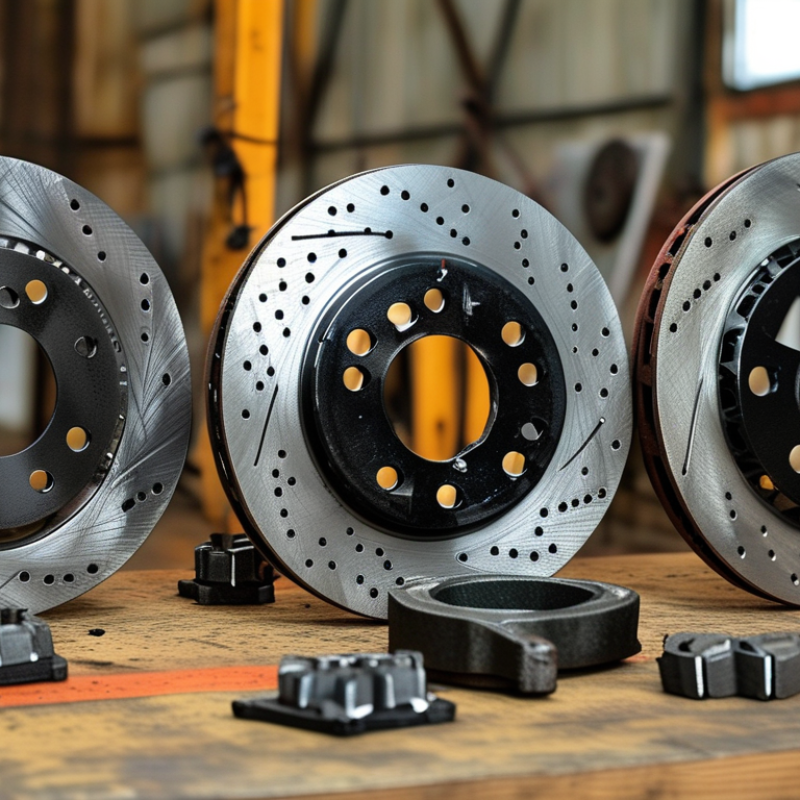
How to Choose the Best Brake Disc for Towing Needs?

Understanding the Basics of Brake Discs and Their Functions

Brake discs play a crucial role in vehicle safety and performance, particularly for towing. They are vital in ensuring effective braking under heavy loads. Understanding the basic components of brake discs helps in making informed choices. A brake disc, or rotor, is a circular component that rotates with the wheel. The brake pads clamp down on it to create friction, slowing or stopping the vehicle. Choosing the right material for your brake discs is essential, especially for towing.

Different materials offer various benefits. For example, cast iron discs are common and reliable. However, they may not handle extreme conditions as well as carbon-carbon or ceramic options. Durability and heat dissipation are key factors when selecting brake discs for towing. Excessive heat can lead to brake fade, compromising stopping power. Awareness of your specific towing needs and vehicle weight is vital in this selection process.

Various factors should influence your decision beyond material type. Consider the climate in which you drive. Wet and muddy conditions can affect braking performance. Some drivers may overlook the importance of maintenance, which can lead to reduced effectiveness over time. Regular inspection and timely replacements are necessary to ensure safety, especially when towing heavy loads.

Factors to Consider When Choosing Brake Discs for Towing

When selecting brake discs for towing, several critical factors demand careful consideration. Towing places unique stress on brake systems. According to industry research, brake wear can accelerate by 30-50% under heavy loads. This insight emphasizes the need for robust materials, such as cast iron or carbon composite, which can handle increased heat and stress.

Another essential factor is the thickness of the brake discs. Thicker discs often provide better performance under stress and have a longer lifespan. Reports indicate that discs with a thickness above 30mm can withstand higher temperatures, reducing the risk of fade during prolonged towing. However, be wary; thicker discs can also add weight to the vehicle, impacting fuel efficiency.

Ventilation is often overlooked. Ventilated discs offer better heat dissipation compared to solid discs. The Enhanced Performance Engineering report indicates that ventilated discs can reduce brake overheating by nearly 20%. It’s vital to balance these features with your vehicle's overall design and capabilities. Ignoring the relationship between weight, heat management, and braking efficiency may lead to subpar towing experiences.

How to Choose the Best Brake Disc for Towing Needs?

Factor Description Importance Level
Material Common materials include cast iron, carbon composites, and high-carbon stainless steel. Each has its pros and cons regarding heat resistance and durability. High
Size The size of the brake disc must match the towing vehicle specifications. Oversized discs can provide better stopping power. Very High
Ventilation Ventilated discs help dissipate heat better and reduce the risk of brake fade during towing. High
Weight Rating Check the weight rating of the brake discs to ensure they are suitable for the load being towed. Critical
Groove Design Grooved discs can help in maintaining grip and reducing braking distance, especially when loaded. Moderate
Heat Treatment Heat-treated discs can provide better performance and longevity under high-stress conditions. High

Comparing Material Types: Cast Iron vs. Carbon Composite Brake Discs

When selecting brake discs for towing, understanding the material types is crucial. Cast iron is commonly used in brake discs. It is known for its durability and excellent heat dissipation. This makes it a reliable choice for heavy towing situations. On the downside, cast iron can be heavier, which may affect towing speeds and overall efficiency.

In contrast, carbon composite brake discs are gaining popularity. They offer a significant weight advantage, making them lighter than cast iron alternatives. This can enhance fuel efficiency and braking response. However, carbon composites may be less effective at handling heat compared to cast iron. This can lead to performance issues if overheating occurs during heavy towing.

Consider these aspects when choosing your brake discs. Pay attention to your specific towing conditions. Heavy loads may benefit from the stability of cast iron. Lighter loads, on the other hand, could see advantages with carbon composites. Look for user reviews and expert recommendations as they provide insights into performance. Prioritize what aligns with your towing needs for optimal safety and efficiency.

How to Choose the Best Brake Disc for Towing Needs?

This chart compares the key performance metrics of Cast Iron and Carbon Composite brake discs for towing needs. The first dataset shows durability in hours, while the second dataset indicates weight in pounds. Understanding these factors can help you make the best choice for your towing requirements.

Evaluating Size and Thickness for Enhanced Towing Performance

When selecting the best brake disc for towing, size and thickness are crucial. A larger disc provides more surface area, enhancing heat dissipation during demanding pulls. Thick discs resist warping and maintain performance under high stress. Opting for the right size can prevent brake fade, a common issue during heavy towing.

Consider the vehicle's weight capacity and towing requirements. Smaller vehicles may benefit from standard-size discs, while larger vehicles need substantial thickness to handle the extra load. If you frequently tow heavy loads, investing in upgraded brake discs can significantly improve safety and control.

Think about the material used in brake discs. Some materials can enhance stopping power and longevity. However, not all expensive options guarantee better performance. Researching various materials and their properties is essential. Each choice has pros and cons. Be prepared to change your approach if certain discs do not meet your expectations.

Importance of Heat Dissipation and Ventilation in Brake Disc Selection

When selecting brake discs for towing, heat dissipation is crucial. Towing generates significant friction during braking. Higher heat levels can lead to brake fade, reducing stopping power. This makes heat dissipation an essential factor. Vented brake discs can help. Their design allows better airflow and cooling, maintaining optimal performance.

Ventilation is not just about cooling off brake components. Effective ventilation helps in extending the lifespan of brake pads and discs, reducing wear. Discs with good ventilation prevent overheating, ensuring your towing remains safe. The choice of material also impacts heat management. Lightweight materials can enhance performance but must still withstand high temperatures.

However, it’s vital to consider potential trade-offs. More ventilation may reduce structural integrity. If too much focus is placed on cooling, disc reliability could suffer over time. Therefore, balancing cooling needs with durability is necessary. A well-informed decision requires understanding both your towing demands and the braking system's capabilities.

FAQS

: What is the function of brake discs?

: Brake discs, or rotors, create friction when brake pads clamp down on them. This slows or stops the vehicle.

Why is material choice important for brake discs?

Different materials have various benefits affecting durability, heat dissipation, and performance, especially during towing.

How does towing affect brake disc selection?

Towing heavy loads generates more heat, making effective braking crucial. This requires careful material and design choices.

What are common materials used for brake discs?

Cast iron is reliable and durable, while carbon composites are lighter. Each has pros and cons depending on towing needs.

What role does heat dissipation play in brake disc performance?

Heat dissipation prevents brake fade. Effective cooling maintains stopping power and extends the lifespan of brake components.

What is the downside of heavier brake discs?

Heavier brake discs, like cast iron, can affect towing speeds and overall vehicle efficiency, especially with lighter loads.

How do weather conditions influence brake disc performance?

Wet or muddy conditions can impact braking effectiveness. Drivers need to consider climate when choosing their brake discs.

What maintenance is needed for brake discs?

Regular inspections and timely replacements are important. Neglecting maintenance can lead to decreased effectiveness over time.

Are vented brake discs beneficial?

Yes, vented designs improve airflow and cooling. This helps maintain performance and reduces wear on brake components.

What trade-offs exist in brake disc design?

Increased ventilation helps cooling but may reduce structural integrity. Balancing these factors is crucial for safe towing.

Conclusion

When considering how to choose the right brake disc for towing, it is essential to understand the fundamentals of brake discs and their critical roles. Key factors include material type—comparing cast iron and carbon composite brake discs—and assessing their size and thickness for optimal towing performance.

Additionally, effective heat dissipation and ventilation are vital in brake disc selection, as these features significantly influence braking efficiency during heavy towing conditions. By evaluating these aspects, you can ensure that you select a brake disc that meets the demands of your towing needs, enhancing both safety and performance on the road.

Isabella

Isabella

Isabella is a dedicated marketing professional with a sharp focus on driving brand growth and engagement through strategic content creation. With an extensive background in digital marketing, she combines her passion for storytelling with her keen understanding of industry trends to deliver......