Nittanya Auto
Maintaining your vehicle's safety features is essential. One critical component is the brake system. Specifically, understanding when to replace brake disc rotors can greatly enhance your vehicle's performance. Over time, brake rotors wear down. Their condition directly impacts how well your brakes function.
Knowing when to replace brake disc rotors isn't always clear. Signs of wear can vary. You might notice vibrations while braking or hear unusual noises. These symptoms shouldn't be ignored. They indicate potential issues that could affect your safety.
Regular inspections are crucial. They help identify signs of wear early on. Professional mechanics can provide insights based on their experience. Trustworthy advice is invaluable. Don’t wait until it’s too late to address rotor issues. Being proactive can save you from costly repairs and ensure optimal safety on the road.
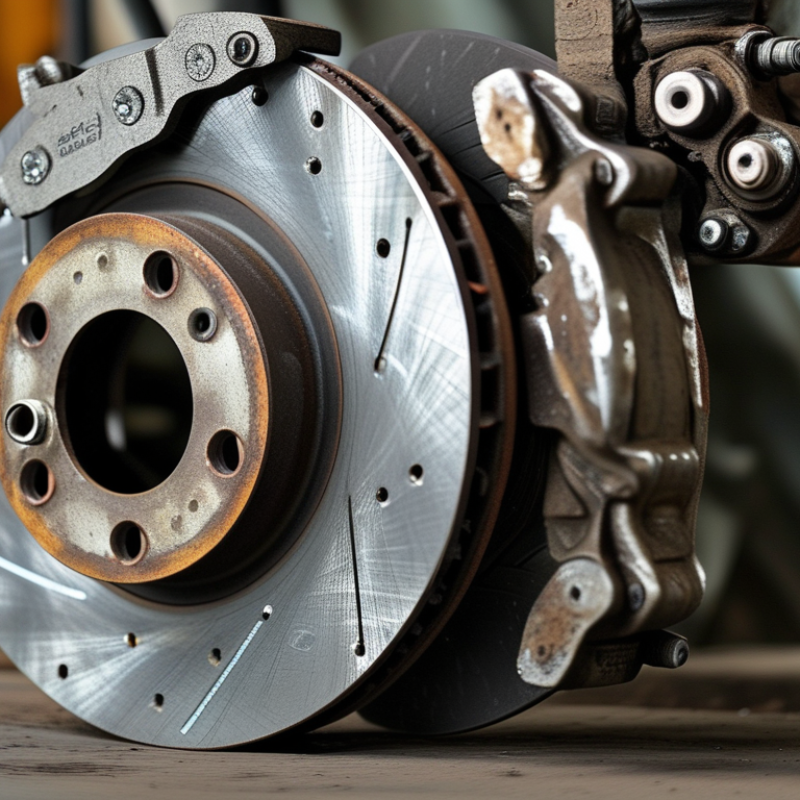
Brake disc rotors play a crucial role in vehicle safety. They are essential for effective braking and heat dissipation. When you press the brake pedal, calipers squeeze the rotors. This process slows or stops the vehicle. Over time, rotors wear down and may become warped, reducing their effectiveness.
Regular inspection of brake disc rotors is vital. Look for signs of damage, such as grooves and cracks. If you notice any irregularities, it’s time to consider replacement. Warped rotors can cause vibrations during braking and affect overall performance. Ignoring these signs can compromise your safety on the road.
Tip: Schedule brake inspections every 10,000 miles. Early detection of issues can save you from costly repairs later.
Heat buildup is another concern. As rotors age, they may not dissipate heat efficiently. This can lead to brake fade, where braking power diminishes. It's essential to replace them if you feel a loss of responsiveness.
Tip: Pay attention to unusual noises when braking. Squeaking or grinding sounds can signal that your rotors need attention.
Understanding the importance of brake disc rotors is key to safe driving. Prioritize regular maintenance and stay vigilant about changes in your vehicle’s behavior.
Brake disc rotors play a crucial role in vehicle safety. Over time, they wear down due to friction and heat. Drivers should be aware of several key signs indicating that rotors may need replacing.
One major sign is a squeaking or grinding noise when braking. This sound often means the rotor is damaged and requires immediate attention. Another indicator is vibration during braking. If the brake pedal pulses underfoot, the rotors likely have uneven wear.
Drivers should also look for grooved or warped surfaces. Inspections can reveal cracks or thick rust, further confirming the need for replacement.
Regular checks are essential for safe driving. Visual inspections should be routine, particularly after long trips. If rotors are worn, it's wiser to replace them sooner rather than later. Waiting can lead to more extensive damage. Proper maintenance safeguards vehicle performance and enhances safety on the road.
Brake disc rotors play a vital role in ensuring vehicle safety. Regular maintenance is essential for optimal performance. The lifespan of brake rotors typically ranges from 30,000 to 70,000 miles. However, factors like driving conditions affect this range. Frequent stop-and-go driving can wear down rotors faster. If you notice vibrations or a decreased braking response, it may be time to check your rotors.
Inspecting your brake rotors every 10,000 miles is a wise choice. This regular assessment can catch issues early. Look for signs of wear, like grooves or discoloration. If rotors are thicker than 1.5 millimeters, they may need replacement. A visual check can sometimes reveal hidden problems. Trust your instincts; if something feels off, don’t ignore it.
It’s common to overlook brake maintenance until it’s too late. Many drivers may not feel the urgency until a problem arises. Understanding the importance of timely checks is crucial. Reflect on your driving habits. High-stress environments require more diligent rotor care. Emphasizing routine inspections can save you from costly repairs. Prioritize your safety—your brakes are worth the attention.
Inspecting and replacing brake disc rotors is vital for optimal vehicle safety. Research shows that brake failure is a leading cause of road accidents, accounting for around 20% of crashes. Regular inspection can help mitigate this risk. Experts recommend checking rotors every 12,000 to 15,000 miles or when brake pads are replaced. This proactive approach ensures early detection of wear and tear.
During the inspection, look for signs of warping, cracking, or excessive corrosion. A rotor thickness gauge can help determine if rotors are still within manufacturer specifications. Generally, rotors should be replaced if they wear down to a thickness below 24 mm, as thinner rotors may not dissipate heat effectively. The key is to balance performance and safety.
Replacing rotors requires careful attention to detail. Proper installation is critical. Misalignment can lead to uneven wear, affecting brake efficiency. Therefore, it’s important to follow manufacturer guidelines. Additionally, it may be worth noting that many DIYers overlook the importance of proper lubrication on contact points. This ensures a smooth operation and prolongs rotor life. Regular monitoring and informed replacement can significantly enhance vehicle safety and performance.
| Inspection Criteria | Recommended Action | Frequency of Inspection | Signs of Wear |
|---|---|---|---|
| Thickness Measurement | Replace if below minimum thickness | Every 30,000 miles | Uneven surfaces, grooves |
| Surface Condition | Replace if scoring is visible | Every service interval | Cracks, corrosion |
| Vibration During Braking | Check and replace if necessary | As needed | Excessive vibration or noise |
| Brake Pad Condition | Replace rotors with worn pads | Every 10,000 miles | Worn out brake pads |
| Heat Spots | Replace if present | Every 25,000 miles | Discoloration from overheating |
Choosing the right brake disc rotors for your vehicle is crucial for safe driving. The right rotors enhance braking efficiency, particularly in emergency situations. Research shows that low-quality rotors can increase stopping distances by up to 30%. This underscores the importance of selecting high-quality materials that meet industry standards.
When considering brake disc rotors, inspect specifications such as thickness and ventilation type. Many experts recommend opting for slotted or drilled rotors for improved heat dissipation. These designs help prevent brake fade, especially in performance driving. However, it’s essential to remember that not all vehicles require high-performance rotors. For standard conditions, solid rotors may suffice and provide reliable performance.
It is vital to assess rotor wear regularly. According to the Automotive Engineering Society, replacing rotors beyond a certain thickness is critical. Drivers should also be aware of unusual noises or vibrations during braking, as these can indicate rotor issues. Choosing rotors involves understanding both your vehicle's needs and the right balance between performance and durability. The decision may require reflection on driving habits and environmental conditions.
: Inspecting brake rotors every 10,000 miles is recommended for early issue detection.
Look for grooves, discoloration, or a thickness below 24 mm during inspection.
Regular maintenance can prevent brake failure, which accounts for 20% of road accidents.
Driving conditions, such as stop-and-go traffic, can wear down rotors more quickly.
If you notice vibrations or decreased response, it might be time to check your rotors.
Yes, but paying attention to installation details and proper lubrication is essential.
Regular inspections and using proper techniques when replacing them can help extend their life.
It measures rotor thickness to confirm if they are within manufacturer specifications.
Yes, many drivers often postpone brake checks until a problem occurs, risking safety.
Prioritize regular inspections and informed replacements to maintain both factors effectively.
When considering when to replace brake disc rotors, it's essential to understand their function and importance in your vehicle's braking system. Brake disc rotors are critical for ensuring effective braking performance, and their wear can lead to decreased safety on the road. Signs of wear, such as vibrations while braking or audible noises, can indicate that rotors need attention.
To maintain optimal safety, it’s recommended to adhere to a regular maintenance schedule that evaluates the condition of the rotors. The process of inspecting and replacing brake disc rotors involves checking for signs of damage or warping and ensuring compatibility with your vehicle's specifications. By being proactive about maintenance, you can better determine when to replace brake disc rotors, helping to ensure your vehicle remains safe and reliable.
