Nittanya Auto Nittanya Auto

2026 Top How Do I Know If My Brake Drum Is Worn Out?

Time:2026-09-14 Author:Isabella
0%

When drivers ask, “how do i know if my brake drum is worn out,” they often expect one obvious warning. Drum brakes are less visible than disc brakes, so wear can remain hidden behind the wheel. A scraping sound, deep pedal travel, pulling, vibration, or a burning odor deserves attention. A loose parking-brake handle can also suggest excessive shoe movement. Still, noise is not proof. Some worn drums stay quiet.

John Ibbotson, chief mechanic at Consumer Reports, has stated, “Brakes are one of the most important safety systems on your vehicle.” That warning applies directly to drum-brake inspection. The Commercial Vehicle Safety Alliance’s Brake Safety Week reports repeatedly identify brake-system defects during roadside inspections. Its findings show why routine checks matter, especially on older vehicles, heavily loaded cars, and vehicles used in steep terrain. However, commercial-vehicle data cannot perfectly represent every passenger car. That limitation deserves attention.

A reliable inspection combines experience with measurement. A technician should remove the drum, inspect the friction surface, check for cracks and heat spots, and measure the drum’s inside diameter. The manufacturer’s maximum diameter is decisive. If the drum exceeds that limit, replacement is normally safer than guesswork. The same inspection should examine wheel cylinders, springs, adjusters, and brake shoes. A visual glance through the wheel rarely tells the whole story.

You may notice only a small symptom. Do not ignore it. This guide explains practical warning signs, inspection methods, measurement limits, and repair decisions. It also separates normal brake noise from evidence of genuine drum wear.

2026 Top How Do I Know If My Brake Drum Is Worn Out?

What a Brake Drum Does and Why Its Condition Matters

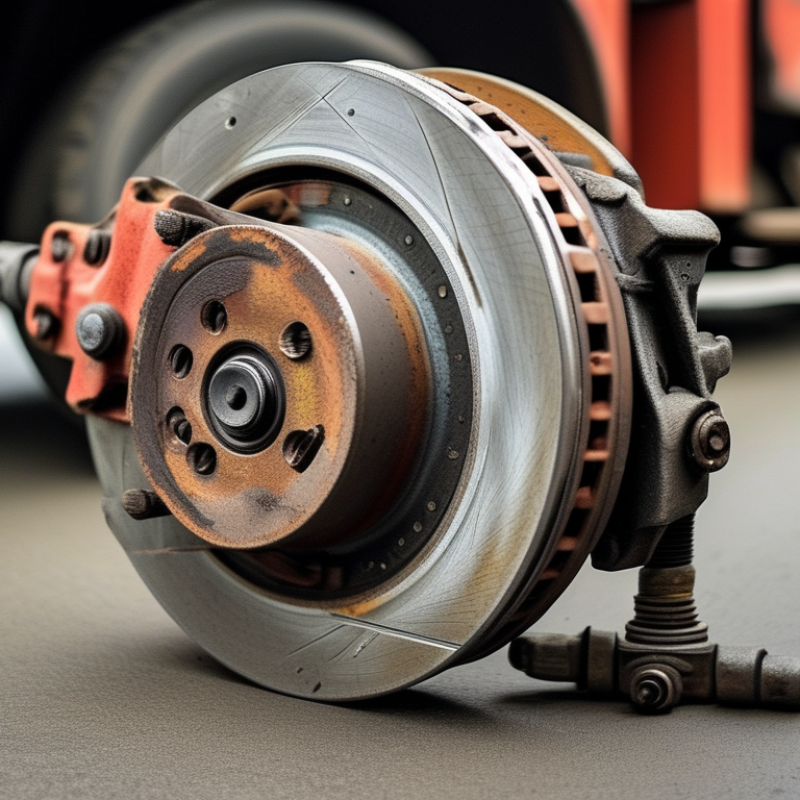
A brake drum is a round metal housing that turns with the wheel. Inside it, curved brake shoes press against the drum’s inner surface. Friction changes the vehicle’s motion into heat, allowing controlled stops. The drum also helps protect the shoes from road debris. Its condition directly affects braking consistency, pedal feel, and heat control.

Wear is not always obvious. I have seen drums that looked acceptable outside but had deep grooves inside. Common warning signs include grinding, shaking, pulling, and a pulsing brake pedal. A sharp ridge around the drum edge can show heavy wear. Blue patches may indicate overheating. Cracks, severe scoring, or oily contamination require immediate attention. This is easy to miss.

A proper inspection removes the drum and measures its inner diameter with a brake micrometer. The reading must stay below the manufacturer’s service limit. Guessing from appearance is unreliable. Excessive diameter can reduce shoe contact and increase stopping distance. Uneven surfaces can also create vibration after repeated braking. One mistake I made was focusing only on shoe thickness. The drum surface mattered just as much. If the drum is damaged, a qualified technician should inspect the shoes, springs, adjuster, and wheel cylinder together. Repairs should normally be balanced across the same axle.

2026 Top: How Do I Know If My Brake Drum Is Worn Out?

What a Brake Drum Does and Why Its Condition Matters

A brake drum provides the rotating friction surface that converts vehicle motion into heat. The chart shows the total kinetic energy of a 1,500 kg vehicle at different speeds, calculated using the physics formula E = ½mv². Because energy increases with the square of speed, a worn, cracked, scored, or oversized drum may have less ability to dissipate heat safely during repeated braking.

To check wear, compare the drum's measured inside diameter with the maximum diameter stamped on the drum or specified by the vehicle manufacturer. Do not rely on appearance alone.

Warning Signs That Indicate a Worn or Damaged Brake Drum

2026 Top How Do I Know If My Brake Drum Is Worn Out?

A worn brake drum often leaves clues before braking becomes dangerous. Listen for grinding, scraping, or a repeating thump from one wheel. Feel for pedal pulsation, longer stopping distance, or a vehicle pulling sideways. These signs can also come from shoes, springs, or wheel bearings. Do not assume the drum is guilty.

Look through the wheel openings for deep grooves, dark blue heat spots, cracks, or heavy rust flakes. A sharp ridge around the drum edge is another warning sign. During a professional inspection, the technician should measure the drum’s inside diameter against its stamped maximum limit. Guessing by appearance is a weak method. I have seen apparently clean drums fail measurement checks.

The Commercial Vehicle Safety Alliance’s 2024 International Roadcheck reported brake-system defects among the leading out-of-service findings, representing 27.9% of vehicle out-of-service violations. The Federal Motor Carrier Safety Administration also identifies brake-system condition as a major commercial vehicle inspection concern. These figures involve commercial vehicles, but they show how frequently brake faults appear in real inspections.

Stop driving if the drum is cracked, badly scored, or visibly overheated. A burning smell matters. So does a wheel that feels unusually hot after a short trip. Let the assembly cool, then arrange an inspection by a qualified technician. Replace related hardware when it is damaged, worn, or contaminated. A new drum cannot correct a sticking wheel cylinder or a weak return spring.

How to Inspect a Brake Drum Safely and Accurately

Before inspecting a brake drum, park on a firm, level surface and let the brakes cool completely. Wear eye protection and gloves. Chock the wheels, then support the vehicle with approved stands. Never trust a jack alone. A cool drum matters because heat can hide damage and cause burns.

A quick visual check can mislead me. Remove the wheel only when the vehicle is secure and you understand the service procedure. Check the drum for deep grooves, cracks, blue heat marks, heavy rust, or an uneven inner surface. A pronounced ridge near the opening often shows wear. Do not hammer the drum aggressively; hidden damage may worsen. Inspect the brake shoes, springs, adjuster, and wheel cylinder for contamination or loose parts.

Measure accurately. Use a brake drum micrometer at several points across the inner braking surface. Compare every reading with the maximum diameter stamped on the drum or listed in the vehicle service information. Replace the drum if it exceeds that limit, feels out of round, or has structural cracks. Surface appearance alone is not enough. I have learned that a drum can look acceptable yet fail measurement. If removal feels forced, the shoes may still be adjusted outward. Stop and seek qualified assistance rather than forcing it. After reassembly, confirm the wheel turns correctly and test braking slowly in a safe area.

How to Measure Brake Drum Wear Against Service Limits

2026 Top How Do I Know If My Brake Drum Is Worn Out?

How to Measure Brake Drum Wear Against Service Limits

A brake drum can look usable and still exceed its service limit. Remove the drum, clean its braking surface, and use a calibrated brake-drum micrometer. A tape measure is not accurate enough. Measure at several points around the friction surface, then compare the largest reading with the drum’s stamped maximum diameter or the vehicle service manual. Never use a general limit. Specifications differ by drum design.

Check for a pronounced wear ridge, deep grooves, heat checks, cracks, or an uneven surface. Measure in two directions at each location. The difference can reveal out-of-round wear. If the drum exceeds its maximum diameter, replace it. Do not machine it beyond the permitted limit. The 2024 Commercial Vehicle Safety Alliance International Roadcheck report placed 23.2% of inspected commercial vehicles out of service. Brake-related defects remained among the leading violations. That statistic is not a drum limit, but it shows why measurement matters.

Tips: Write down every measurement. Compare readings before and after machining. A small mistake here can change pedal travel. I have found visual checks misleading, especially after heavy downhill braking. Also inspect the shoes, wheel cylinders, springs, and hardware. A new drum may wear unevenly if these parts are damaged. Recheck your micrometer’s zero before measuring. It is an easy step to skip.

2026 Top: How Do I Know If My Brake Drum Is Worn Out? — How to Measure Brake Drum Wear Against Service Limits
Inspection Item What to Measure or Inspect Typical Acceptance Rule Example Result Interpretation
Brake Drum Measurement Guide
Nominal inside diameter Original drum diameter specified for the brake assembly Use the stamped value or the vehicle service manual 250.00 mm Reference dimension only
Maximum service diameter Largest permissible inside diameter after wear Never exceed the marked or manufacturer-specified limit 252.00 mm Replacement limit for this example drum
Measurement tool Brake-drum micrometer or calibrated inside micrometer Clean the braking surface and verify tool calibration 0.01 mm resolution Suitable for comparison with a service limit
Measurement locations At least two depths across the braking surface and several radial positions Measure at 0°, 90°, 180° and 270°; include the most-worn area 8 readings recorded Helps detect taper, ovality and bell-mouthing
Worked Measurement Examples
Drum Sample Nominal Diameter Specified Maximum Diameter Largest Measured Diameter Result
Sample A 203.20 mm 204.40 mm 203.86 mm Within limit
Sample B 228.60 mm 230.00 mm 229.72 mm Near limit; recheck carefully
Sample C 250.00 mm 252.00 mm 252.04 mm Over limit; replace drum
Sample D 280.00 mm 282.00 mm 281.18 mm Within limit
Detailed Example: 250.00 mm Nominal Drum
Reading Point Near Outer Edge Center of Friction Surface Near Inner Edge Observation
0° 251.42 mm 251.68 mm 251.51 mm Normal wear pattern
90° 251.55 mm 251.82 mm 251.63 mm Largest reading at center
180° 251.46 mm 251.74 mm 251.57 mm Consistent with other readings
270° 251.51 mm 251.79 mm 251.60 mm Consistent with other readings
Maximum recorded diameter 251.82 mm 0.18 mm below the 252.00 mm limit
Approximate ovality 0.14 mm: 251.82 mm − 251.68 mm No conclusion without the applicable service specification
Visual and Structural Condition Checks
Condition What It Looks Like Possible Effect Recommended Action Safety Status
Deep grooves or heavy scoring Distinct grooves that can be felt with a fingernail Uneven shoe contact and noise Measure against machining limits; replace if limits are unavailable or exceeded Inspect before reuse
Cracks or fractures Visible cracks in the friction surface, flange or mounting area Structural failure and loss of braking Do not machine or reuse; replace immediately Unsafe
Blue hot spots or severe heat checking Discoloration, repeated fine cracks or localized heat marks Reduced friction consistency and possible distortion Replace if cracking, distortion or limit exceedance is present Further inspection required
Bell-mouth wear Diameter is larger near one edge than at the center Uneven shoe engagement and difficult measurement Record readings at multiple depths; compare the largest value with the limit Measure carefully
Damaged wheel-mounting or flange area Distortion, severe corrosion or damaged mounting surfaces Runout, vibration or insecure mounting Replace the drum and correct the underlying mounting problem Unsafe if damaged
Wear calculation: Wear allowance used = Specified maximum inside diameter − Nominal inside diameter. For the 250.00 mm example, the available diameter growth is 2.00 mm. Always compare the largest measured diameter—not the average—with the applicable service limit.
Important: Brake-drum service limits are not universal. The value stamped on the drum or listed in the applicable vehicle service information takes priority over these example figures. Replace a drum that is cracked, structurally damaged, beyond its maximum service diameter, or otherwise outside the required specification.

When to Repair or Replace a Worn Brake Drum

When to Repair or Replace a Worn Brake Drum

A worn brake drum does not always need immediate replacement. During a professional inspection, remove the wheel and examine the braking surface under bright light. Deep grooves, blue heat spots, cracks, or an uneven ridge around the rim indicate serious wear. A drum that feels rough may also reduce braking consistency.

Measure the drum with a suitable gauge, not only by sight. Compare the reading with the maximum diameter listed in the vehicle service manual. If the drum remains within specification, light machining may restore a smooth surface. However, machining removes material and may push the drum beyond its safe limit. That decision deserves care.

Replace the drum when it exceeds the limit, shows cracks, or has severe heat damage. Replacement is also sensible when machining would leave an uneven or overly thin surface. Pairing a new drum with badly worn shoes can create poor contact, so inspect both parts together. I have seen visual checks miss heat distortion. That mistake can return as vibration, noise, or a pulling brake. Never ignore a soft pedal or extended stopping distance. After service, clean the assembly, adjust it correctly, and perform a cautious road test in a safe area. Always follow the vehicle manufacturer’s specifications.

FAQS

How can I measure brake drum wear accurately?

Remove and clean the drum first. Use a calibrated brake-drum micrometer, not a tape measure. Measure several points around the friction surface. Record the largest diameter.

What measurement should I compare with?

Compare the largest reading with the stamped maximum diameter. You can also check the vehicle service manual. Do not use a general limit. Specifications vary.

Why should I measure in two directions?

Two-direction measurements can reveal out-of-round wear. Uneven readings may cause vibration, noise, or inconsistent braking. Write down every result.

What visible damage means replacement is necessary?

Replace the drum if it has cracks, deep grooves, severe heat damage, or a raised uneven ridge. Blue heat spots also deserve careful attention.

Can a worn drum be machined?

Light machining may help when the drum remains within specification. Machining removes material. Stop if the final diameter could exceed the permitted limit.

Should I trust a visual inspection?

Not completely. I have found visual checks misleading after heavy downhill braking. Heat distortion may hide beneath a seemingly smooth surface. Measurements matter.

What other parts should I inspect?

Inspect the shoes, wheel cylinders, springs, and hardware with the drum. Damaged parts can create uneven wear. A new drum may not fix the cause.

What should I do after repairing or replacing the drum?

Clean the assembly and adjust it correctly. Check pedal feel and stopping distance. Perform a cautious road test in a safe area. A small oversight matters.

Conclusion

Understanding how your brake drum works is essential for safe and reliable braking. The drum rotates with the wheel while brake shoes press against its inner surface to create friction and slow the vehicle. Over time, heat, friction, corrosion, and repeated braking can wear or damage the drum. Common warning signs include grinding or scraping noises, shaking during braking, reduced stopping performance, uneven braking, deep grooves, cracks, blue heat marks, or a noticeably soft or inconsistent brake pedal. If you are asking, “how do i know if my brake drum is worn out,” these symptoms are important clues, but they should not replace a proper inspection.

A safe inspection requires securing the vehicle correctly, allowing the brakes to cool, and removing the drum only with suitable tools and precautions. Check the drum and related components for excessive scoring, distortion, cracks, or unusual wear. Use an accurate measuring tool to determine the drum’s internal diameter, then compare the result with the service limit specified for that vehicle. A drum that exceeds the limit, cannot be machined within specifications, or shows serious damage should be replaced rather than reused.

Isabella

Isabella

Isabella is a dedicated marketing professional with a sharp focus on driving brand growth and engagement through strategic content creation. With an extensive background in digital marketing, she combines her passion for storytelling with her keen understanding of industry trends to deliver......