Drivers often notice the price difference before they notice any braking difference. This raises a practical question: why do ceramic coated brake discs cost more? The answer involves materials, production methods, testing, and expected service conditions. These discs are not simply painted with a decorative layer. Their ceramic-based coating is designed to resist heat, moisture, road salt, and surface corrosion. That sounds impressive. However, a glossy appearance alone proves very little.
Manufacturing usually involves careful cleaning, surface preparation, controlled coating, and heat treatment. Each stage requires suitable equipment and trained quality control staff. Poor preparation can cause uneven coverage, peeling, or premature damage. Reputable manufacturers may test coating adhesion, thermal stability, braking performance, and corrosion resistance. Technicians also inspect disc thickness, runout, mounting surfaces, and compatibility with specific vehicles. A ceramic coating cannot correct a poorly designed rotor. It cannot overcome incorrect installation either.
This guide examines the real factors behind the higher price. It considers production costs, driving benefits, maintenance expectations, and possible limitations. In some vehicles, the coating offers valuable protection and cleaner-looking wheels. In others, the improvement may be modest, especially during ordinary commuting. That distinction is often overlooked. Expensive does not automatically mean better for every driver. Buyers should compare technical specifications, warranty terms, independent testing, and installer experience. The most reliable decision considers climate, driving style, vehicle weight, and replacement intervals. There is no universal winner. That is the honest part.
What Ceramic Coated Brake Discs Are and How They Work
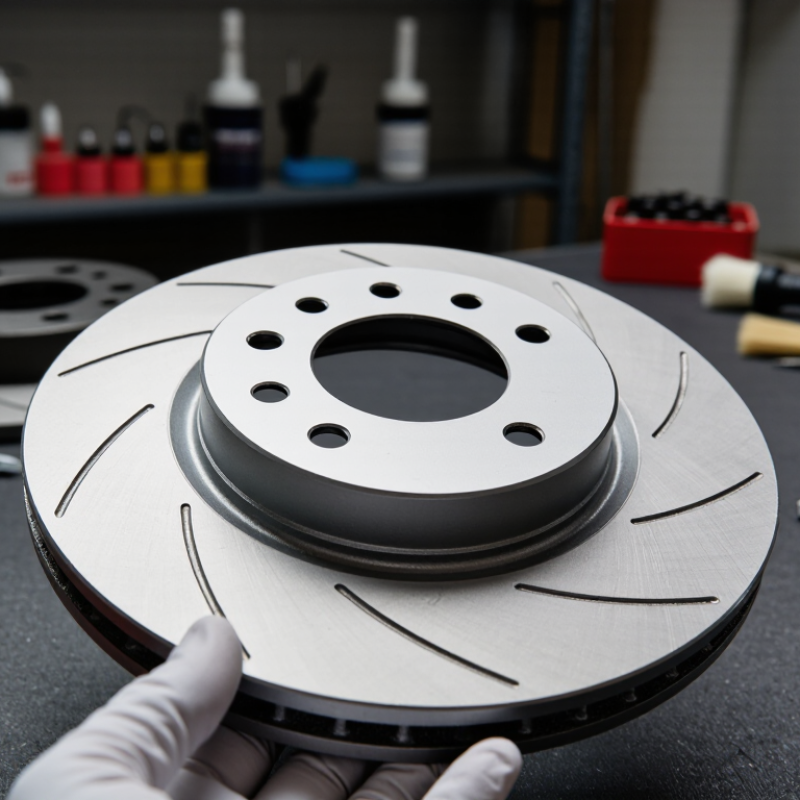
Ceramic coated brake discs are steel rotors covered with a thin, heat-resistant ceramic layer. The coating usually protects the hat, outer edge, and ventilation areas from moisture and road salt. The braking faces remain precisely machined for pad contact.
When the brake pedal is pressed, pads clamp the rotor and create friction. The ceramic layer does not create the main stopping force. Instead, it helps slow surface corrosion around non-contact areas.
This can keep the disc looking cleaner and reduce rusty flakes near the wheels. It also tolerates repeated heat cycles when applied and cured correctly.
That process costs more than ordinary protective paint. Technicians must clean the steel, mask critical surfaces, apply an even coating, and control the curing temperature. Small errors can affect fit, balance, or pad contact. Quality checks add time too.
The benefit is practical, not magical.
A ceramic coating will not repair a warped disc or guarantee a shorter stopping distance. It may also wear away at exposed edges over time. I once assumed a coated rotor would resist every form of corrosion. That was too simple. Winter grit, trapped moisture, and neglected cleaning can still cause problems. Proper installation and regular inspection matter more than a glossy finish.
How Ceramic Coatings Are Applied to Brake Discs
Ceramic-coated brake discs cost more because the coating requires controlled preparation, specialized equipment, and careful inspection. The process begins with degreasing. Technicians remove oil, dust, rust, and machining residue from the disc surface. They then mask the braking faces. This matters. Ceramic material should not cover the pad contact area unless the coating system specifically allows it. Even a thin unwanted layer can affect bedding and friction.
The exposed areas are usually lightly blasted or mechanically prepared to improve adhesion. After that, the ceramic coating is sprayed in several controlled passes. Each pass must remain thin and even. A workshop may measure surface temperature, humidity, and coating thickness during application. These details sound small. They are not. Poor preparation can cause bubbling, peeling, or uneven corrosion protection. The disc may then enter a curing oven, where heat bonds and hardens the coating. Exact curing time depends on the formulation and metal substrate.
After curing, technicians remove the masking and inspect edges, ventilation holes, and mounting faces. They check for overspray, chips, blocked passages, and changes that could affect wheel fitment. Some facilities also verify runout and balance after finishing. In practical work, the process is rarely perfect. A tiny missed spot may not cause immediate trouble, but it deserves attention. Ceramic coating protects selected surfaces; it does not repair warped metal or replace proper brake testing. That distinction is easy to forget when the finish looks impressive.
Which Materials and Manufacturing Steps Increase Their Cost
Ceramic-coated brake discs cost more because their material recipe is more demanding than ordinary cast iron. A typical disc uses a cast-iron core, ceramic particles, bonding agents, and corrosion-resistant additives. Silicon carbide and alumina can improve heat resistance and surface hardness. The U.S. Geological Survey’s Mineral Commodity Summaries 2024 estimates global silicon carbide capacity at more than 2.5 million metric tons. That sounds abundant, but automotive-grade powder requires controlled purity, particle size, and testing. Cheap material is not always usable material.
Manufacturing adds more expense. Workers must clean the disc, blast the surface, mask contact areas, apply the coating, and control curing temperatures. Thermal spraying also creates material loss. ASM Handbook, Volume 5A, reports deposition efficiency can range from roughly 30% to 80%, depending on the process. The unused powder becomes waste or needs careful recovery. Precision grinding follows curing, because uneven thickness can create vibration during braking. Each disc then requires thickness, adhesion, balance, and salt-spray checks.
Energy use matters too. Thermal-spray equipment may operate at extremely high temperatures, while curing ovens run for extended cycles. The International Energy Agency’s 2024 minerals outlook highlights continuing concentration in processed-material supply chains. Transport and quality audits therefore affect landed cost. My own concern is simpler: coating thickness is often treated as a selling point. It should not be. Excess thickness can chip, while thin coverage may wear quickly. The calculation is not perfectly clean. That assumption deserves scrutiny.
How Ceramic Coated Discs Compare with Standard Brake Discs
Why Do Ceramic Coated Brake Discs Cost More?
Ceramic-coated brake discs usually cost more because their non-friction surfaces receive extra corrosion protection. The coating is applied to areas such as the disc hat, edges, and ventilation channels. Standard cast-iron discs leave these areas exposed to moisture and road salt. Small orange rust patches can appear after one rainy night. Ceramic coating can keep the disc looking cleaner for longer, especially on vehicles with open-spoke wheels.
The performance difference needs careful interpretation. Ceramic coating does not automatically create shorter stopping distances. The brake pad still contacts the disc’s friction face, which must remain properly prepared. During braking, that surface wears naturally. Standard discs often offer similar braking performance when both discs have correct thickness, ventilation, and pad compatibility. Coated discs may resist rust better around the unused edges, but they are not a substitute for regular inspection.
In practice, the higher price also covers cleaning, masking, and controlled coating processes. Installation matters. A technician should remove coating from every friction surface and check runout before fitting the disc. I would question any claim promising dramatic heat reduction from a thin surface coating. That sounds attractive, but the evidence is often less impressive. A standard disc may be the sensible choice for a clean, dry environment, while a coated disc suits salty roads and neglected parking conditions better. Pay attention to the details.
When the Higher Price of Ceramic Coated Discs Is Justified
Why Do Ceramic Coated Brake Discs Cost More?
When the Higher Price of Ceramic Coated Discs Is Justified
Ceramic coated brake discs cost more because their manufacturing process requires extra cleaning, masking, spraying, and curing. The coating protects non-friction surfaces from moisture, road salt, and surface rust. It can also keep the disc looking cleaner behind open wheels. However, it is not a magic performance upgrade. The braking surface still depends on the disc design, pad compound, tyres, and caliper condition.
The higher price is easier to justify for drivers in coastal areas, snowy regions, or places using winter road salt. It may also suit vehicles that sit unused for several days. Less visible rust can make inspections less frustrating. Workshop checks often show another benefit: coated edges and hubs may remain cleaner over time. Yet the coating on the friction surface wears away quickly. That detail is often overlooked. A premium disc will not automatically shorten stopping distances.
Tips: Compare the coating coverage, not just the word “ceramic.” Check the disc’s heat rating and thickness. Ask whether the coating covers the hub and outer edges. Match the discs with suitable pads. Cheap pads can create noise, dust, or uneven wear. Also, inspect the existing calipers before spending more. A sticking caliper can waste the benefits of an expensive disc. The calculation is not perfect. For a mild daily commute, standard discs may provide nearly the same practical result.
Why Do Ceramic-Coated Brake Discs Cost More?
Typical aftermarket price ranges for one brake disc, shown in USD. Ceramic-coated discs usually cost more because of the additional corrosion-resistant coating and finishing process.
The higher price is most justified for vehicles exposed to road salt, frequent rain, coastal humidity, or long periods of storage. The coating can help protect non-friction surfaces from corrosion and improve appearance, but it does not automatically provide shorter stopping distances. For dry climates and short-term ownership, standard discs may offer better value.
Conclusion
Why do ceramic coated brake discs cost more? The main reason is that they combine a carefully engineered disc structure with a durable ceramic surface designed to improve performance and protection. Ceramic coatings can help reduce corrosion, resist heat, limit brake dust adhesion, and maintain a cleaner appearance during repeated braking. However, these benefits depend on precise material selection and strict manufacturing control rather than the coating alone.
The production process typically includes preparing the disc surface, applying the ceramic layer evenly, curing it at controlled temperatures, and inspecting the finished component for thickness, bonding, and balance. These additional materials, specialized equipment, extra processing time, and quality checks increase the final price compared with standard uncoated discs. Although ceramic coated discs may cost more initially, they can be a worthwhile choice for drivers who value cleaner wheels, improved corrosion resistance, consistent appearance, and dependable performance in demanding conditions. For ordinary driving, standard discs may provide sufficient value, while the higher price is best justified when long-term durability and enhanced protection are priorities.
 Nittanya Auto
