Nittanya Auto
Nittanya Auto
Nittanya Auto
Understanding why chemical purity and cleaning protocols dictate the performance, safety, and acoustic profile of heavy-duty and automotive friction interfaces.
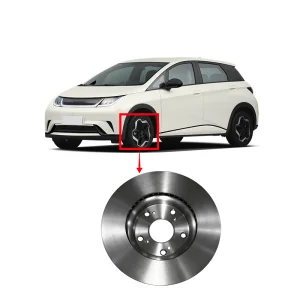
Within automotive engineering, the friction couple (the contact surface between the brake pad and the rotating brake disc) operates under extreme mechanical pressure and thermal stress. The presence of manufacturing residues, storage oils (anti-rust preservation agents), road grime, and particulate oxides compromises the coefficient of friction. This unwanted contamination results in uneven transfer layers, leading to Disc Thickness Variation (DTV) and subsequent brake shudder or Noise, Vibration, and Harshness (NVH) issues.
Consequently, professional brake service requires strict degreasing protocols using certified agents that leave zero chemical residue. Cleaners must dissolve oil, grease, carbonaceous materials, and metallic dust without causing chemical degradation of adjacent rubber dust boots, caliper seals, or polymer anti-squeal shims.
Integrating heavy-duty metallurgy and advanced electronics packaging to deliver robust components for international commercial and retail markets.
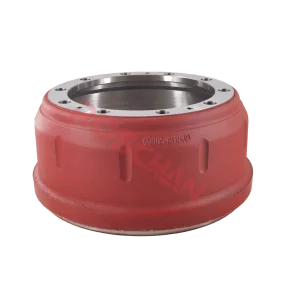
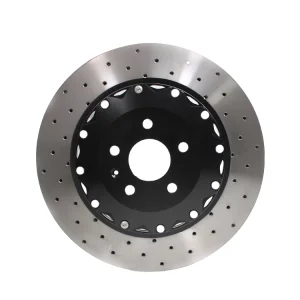
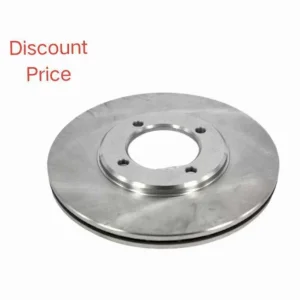
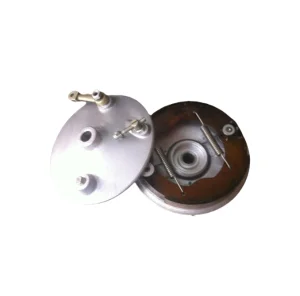
Qingdao Nittanya Auto Co., Ltd. stands as a premier manufacturer and exporter specializing in automotive braking system components, including brake discs, brake drums, brake hubs, and related auto parts. Strategically located in Qingdao, China—one of the country's most critical deep-water international ports—we provide streamlined global distribution, reducing lead times and shipping costs for commercial partners in Europe, North America, South America, Africa, the Middle East, and Asia.
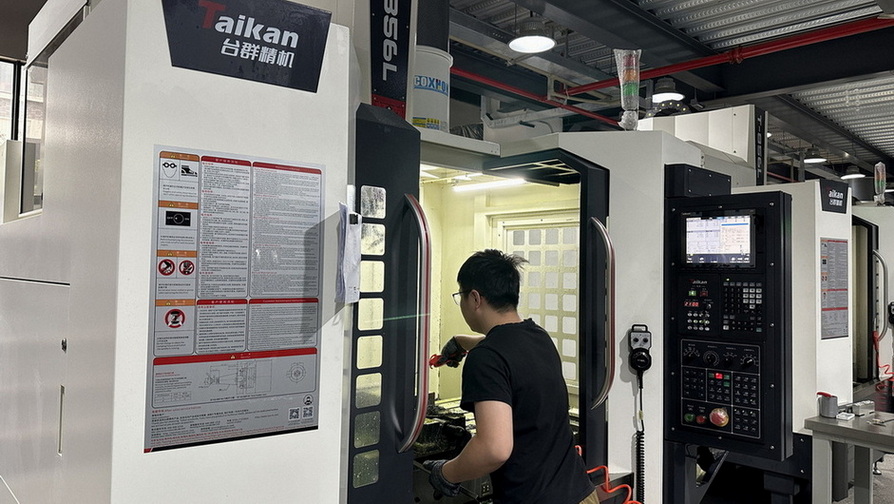
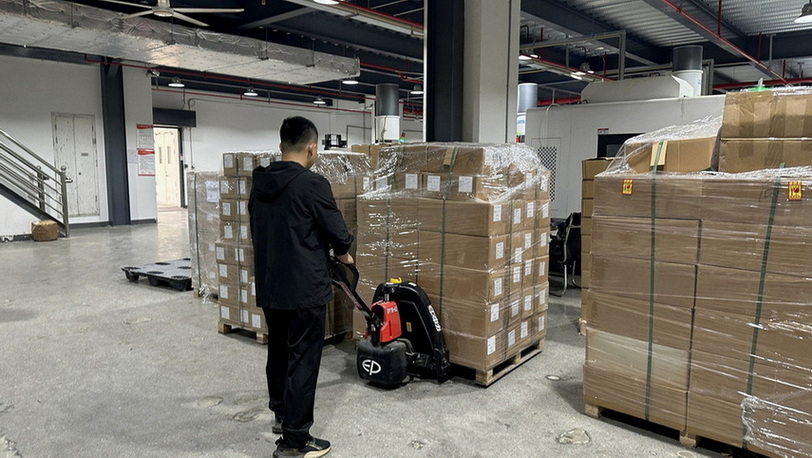
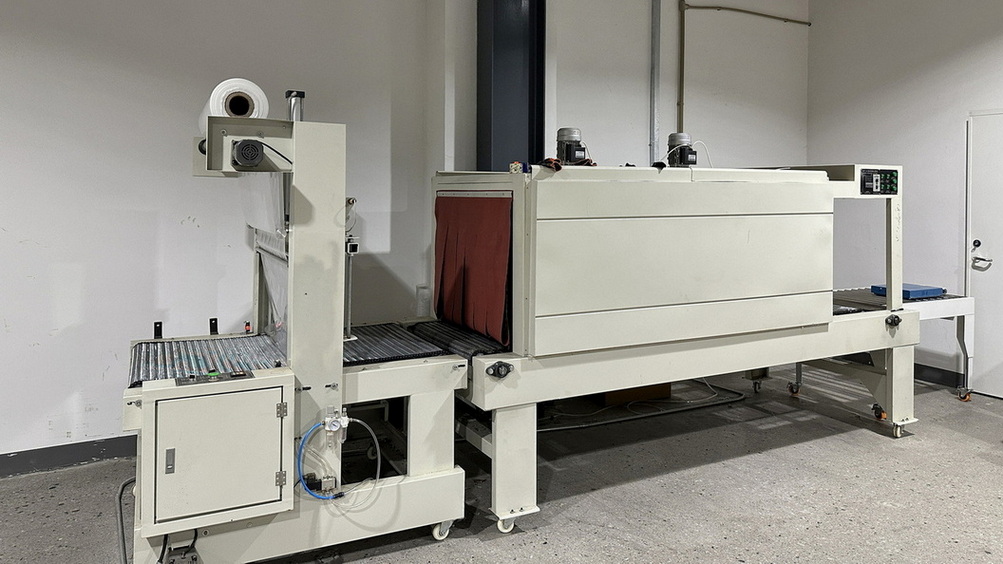
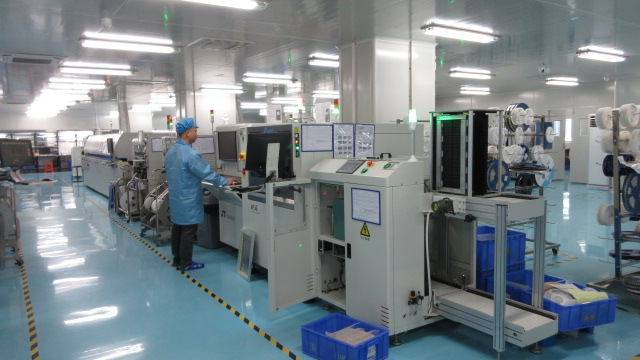
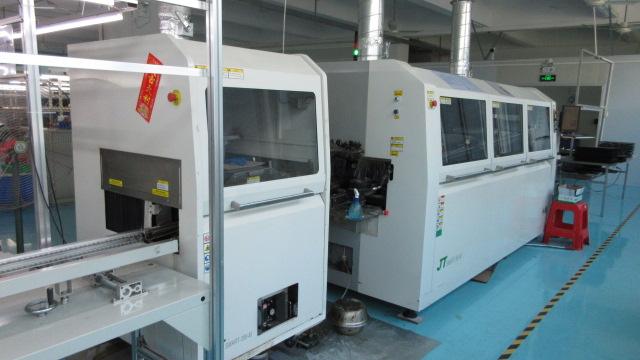
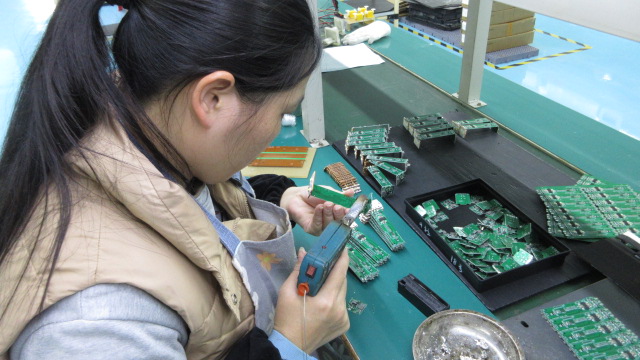
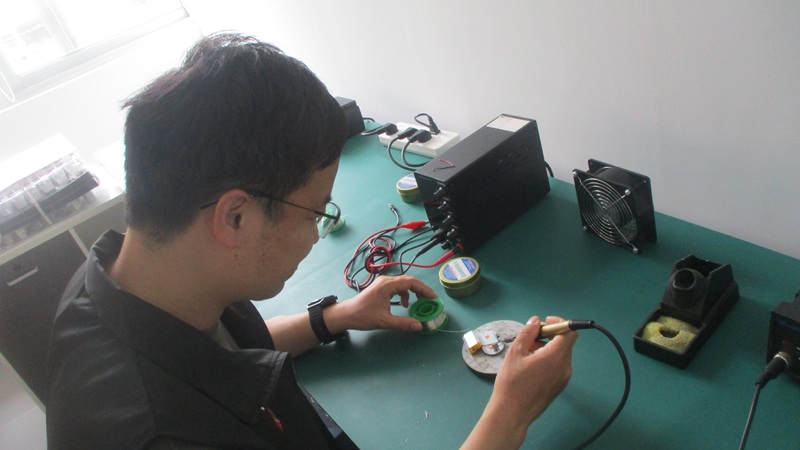
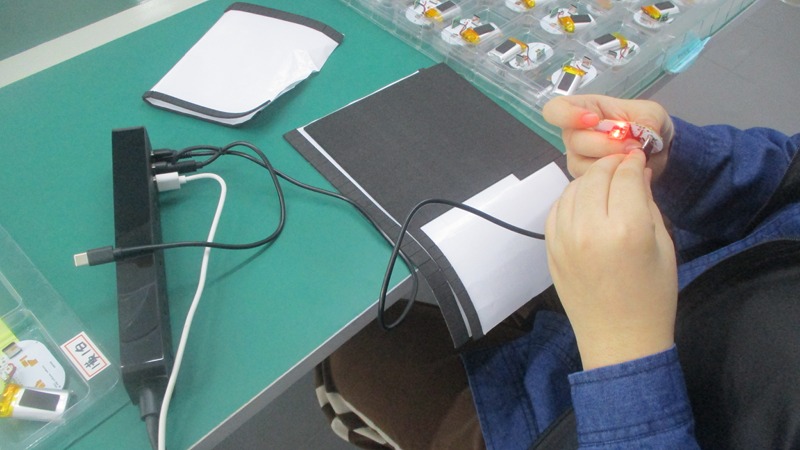
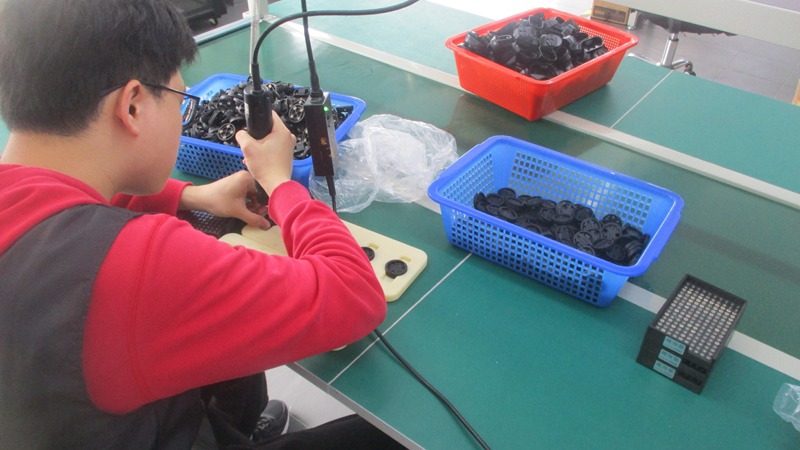
Our facility operates at the intersection of traditional metallurgy and advanced smart-braking electronics. The manufacturing ecosystem incorporates precise raw material casting, high-tolerance CNC machining, dynamic balancing, and automated protective packaging. In response to modern automotive systems that use advanced Electronic Parking Brakes (EPB), anti-lock braking sensors (ABS), and complex driving assists (ADAS), our operations feature modern electronics assembly lines, including SMT (Surface Mount Technology), AOI (Automated Optical Inspection), Wave Soldering, and PCB Weld Testing. This clean-room capability ensures that our electronic components are manufactured to the same rigorous quality standards as our mechanical hardware.
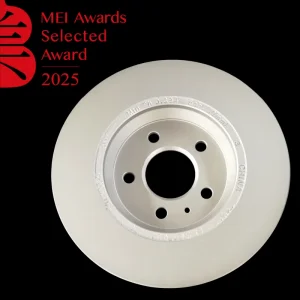
Every batch of raw iron or composite carbon-ceramic material undergoes continuous spectroscopic testing to verify chemical composition, tensile strength, and graphite dispersion. Our machining centers cut to tolerances within microns to minimize runout and thickness variations. For premium applications, a specialized Geomet anti-corrosion coating is applied. This coating requires a completely uncontaminated surface to cure properly, illustrating the vital link between chemical surface cleaners and mechanical longevity.





How Qingdao Nittanya Auto leverages geographic and industrial integration to guarantee delivery, quality, and competitive pricing.
The global automotive supply chain requires reliable partners who can manage macroeconomic shifts, raw material fluctuations, and maritime logistics disruptions. Nittanya Auto's location in Qingdao provides direct access to one of the world's most active deep-water container terminals, facilitating rapid sea freight to global markets. This logistical baseline is supported by robust domestic supply networks for coke, pig iron, alloy additives, and packaging materials.
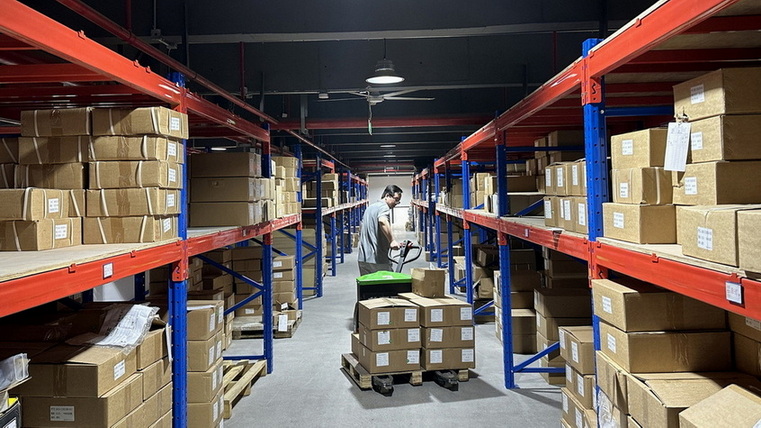
Additionally, our vertical integration of casting, machining, electronic assembly, and finishing processes under a single management system eliminates the standard delays and quality-control gaps associated with multi-tiered outsourcing. This integration enables a reliable production capacity exceeding one million units per year.
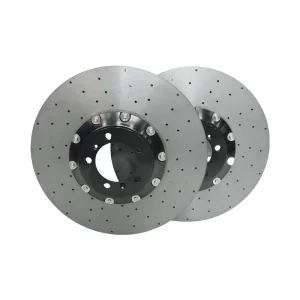
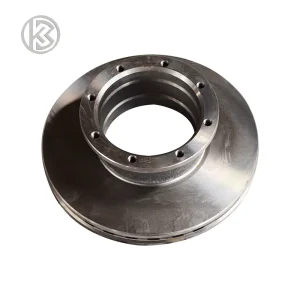
By housing all machining and electronic QA teams in a centralized manufacturing center, we maintain consistent control over production parameters. Whether manufacturing a heavy-duty drum for Beiben trucks or a precision carbon-fiber-ceramic disc for high-performance electric vehicles, our facilities minimize raw material waste and optimize cycle times. These efficiency gains translate directly into cost savings and reliable lead times for our global partners.
| Performance Criterion | Technical Specification Target | Quality Assurance Protocol | |
|---|---|---|---|
| Metallurgical Composition | HT250 / G3000 Grey Cast Iron (custom alloy options available) | Spectrochemical analysis of molten batch prior to pouring | Verifies carbon, silicon, manganese, and sulfur ranges |
| Dimensional Tolerance | Parallelism ≤ 0.005 mm; Runout ≤ 0.03 mm | In-line coordinate measuring machine (CMM) and micrometer audits | Prevents disc thickness variation (DTV) and brake pedal pulsation |
| Surface Cleanliness | Pure metallic surface, free of rust-preventative oil residue | High-pressure alkaline degreasing and hot air drying cycles | Guarantees immediate coating adhesion or contamination-free install |
| Static & Dynamic Balancing | Residual unbalance under 1 g-cm for premium performance | Dynamic balancing correction via mill cut or weight balance | Eliminates high-speed rotational vibrations and wheel hub wear |
Adapting chemical formulations and mechanical designs to survive distinct climatic, regulatory, and industrial conditions worldwide.
In regions such as the US Rust Belt, Canada, and Northern Europe, winter road-salting agents accelerate corrosion. Rotors in these regions require advanced zinc-aluminum flake coatings (like Geomet) or specialized rust-preventative sprays. Our cleaning processes prepare the cast metal surface for these coatings, ensuring maximum adhesion and long-term corrosion resistance.
In high-humidity regions like Southeast Asia, uncoated iron components oxidize rapidly. Our packaging processes use advanced volatile corrosion inhibitor (VCI) bags and specialized non-grease rust preventatives. This protective combination prevents oxidation during maritime transit and warehousing without requiring heavy solvent washes before installation.
European markets maintain strict VOC limits and bans on chlorinated hydrocarbon solvents (per REACH and CLP guidelines). Our cleaning products utilize water-based, high-evaporation formulations that comply with EU environmental laws while delivering the degreasing performance required for heavy-duty commercial fleets.
Preparing for the next generation of automotive braking technology, including regenerative braking and particulate emissions mitigation.
With the introduction of the Euro 7 standard, braking emissions have become a key regulatory focus. Non-exhaust emissions from brake wear release significant amounts of particulate matter (PM10 and PM2.5) into the environment. Future systems will utilize hard coatings, such as tungsten carbide, applied via High-Velocity Oxygen Fuel (HVOF) thermal spraying, to reduce particulate emissions.
These ultra-hard coatings require extremely clean, residue-free rotor substrates to prevent coating delamination under thermal shock. Consequently, our R&D team is developing automated, multi-stage ultrasonic degreasing lines designed to prepare raw iron surfaces for high-adhesion ceramic and carbide coatings.
Electric vehicles (EVs) rely heavily on regenerative braking, meaning the mechanical friction brakes are used less frequently. While this reduces pad wear, it leaves the brake rotors vulnerable to oxidation from moisture and road salt. Rust buildup on rarely used rotors can lead to uneven friction levels and noise.
To address this, our future product roadmap includes specialized anti-corrosion barrier coatings and compatible maintenance cleaners. These formulations protect the friction surface during periods of disuse while maintaining safety-critical friction characteristics during emergency stops.
Addressing primary technical, regulatory, and application inquiries from international buyers and system integrators.