Nittanya Auto
Nittanya Auto
Nittanya Auto
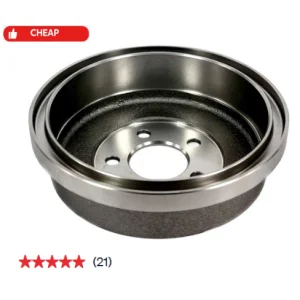
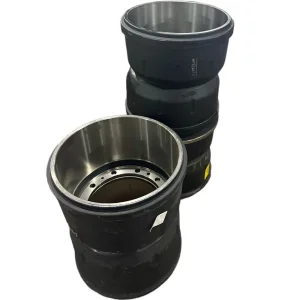
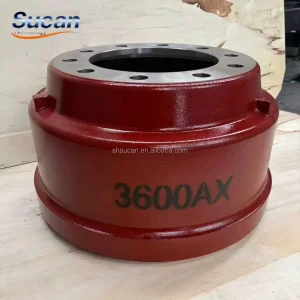
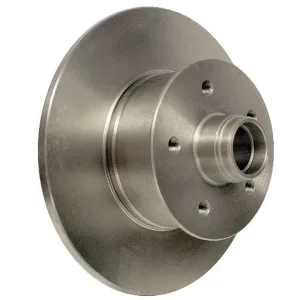
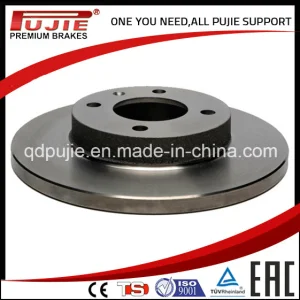
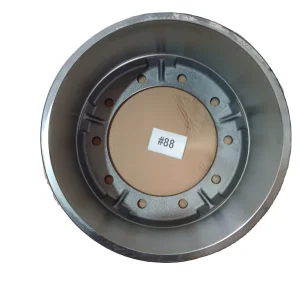
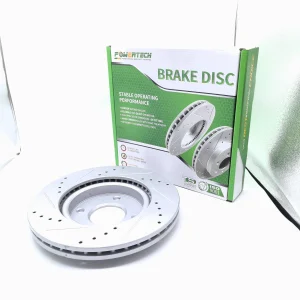
Explore our top-tier CE-certified ventilated brake rotors and drums engineered for heavy duty, commercial fleet applications, and premium passenger vehicles.
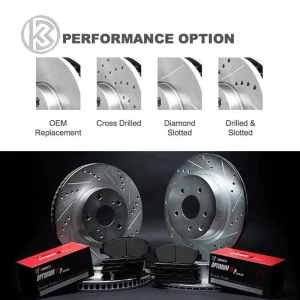
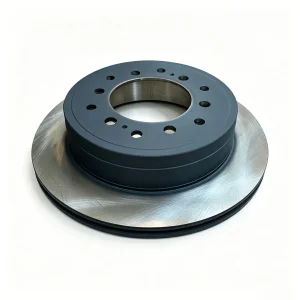
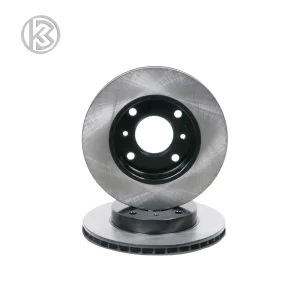
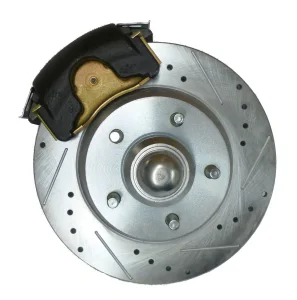
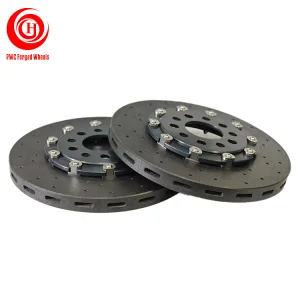
In modern automotive engineering, kinetic energy conversion is governed strictly by the laws of thermodynamics. When a vehicle decelerates, its kinetic energy is converted entirely into thermal energy through friction between the brake pads and the brake rotor. For high-speed passenger cars, commercial transport vehicles, and heavy-duty trucks, this process produces temperatures exceeding 700°C in fractions of a second.
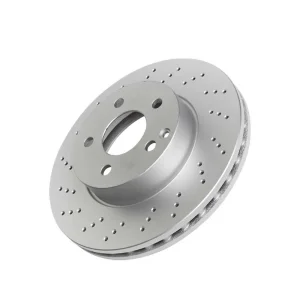
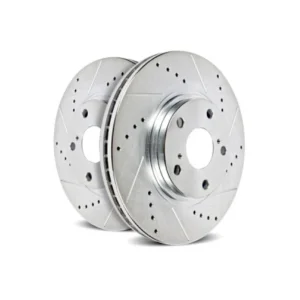
Ventilated brake discs act as critical heat exchangers. Unlike solid rotors, ventilated discs feature an internal channel array (vanes) sandwiched between two friction faces. As the wheel rotates, these internal vanes act as a centrifugal pump, drawing cool air from the hub center and forcing it outward through the rotor perimeter. This convective cooling mechanism dramatically increases the surface-area-to-volume ratio, accelerating thermal dissipation and preventing the onset of thermal brake fade.
At Qingdao Nittanya Auto Co., Ltd., we understand that reliability under extreme stress is paramount. As a premier CE-certified ventilated brake disc supplier and exporter, our engineering focus encompasses microstructural integrity, metallurgical consistency, and strict dimensional tolerances to assure fleet operators and automotive distributors of uninterrupted, high-efficiency deceleration performance.
State-of-the-art foundry utilizing high-carbon grey iron GG20/GG25 chemistry for optimal thermal conductivity.
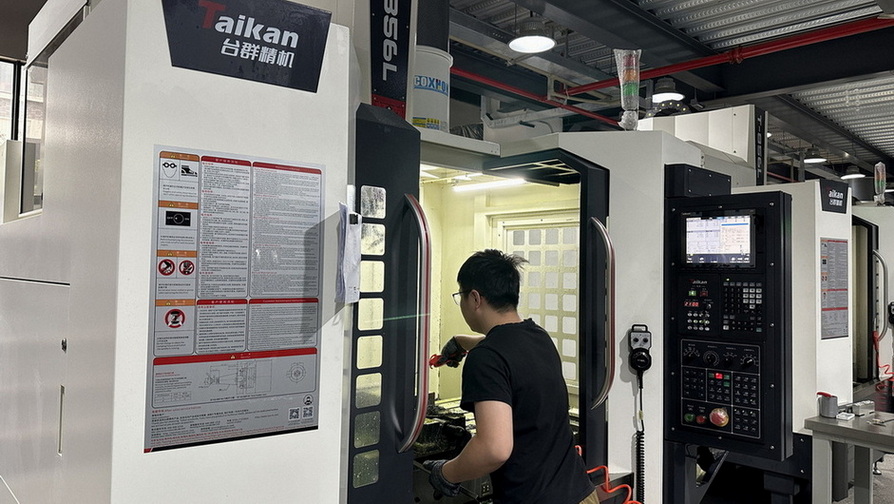
Fully automated vertical CNC lathes ensure minimal Run-Out (DTV < 0.01mm) for vibration-free operations.
Every batch undergoes chemical analysis, tensile testing, metallographic testing, and dynamic balancing checks.
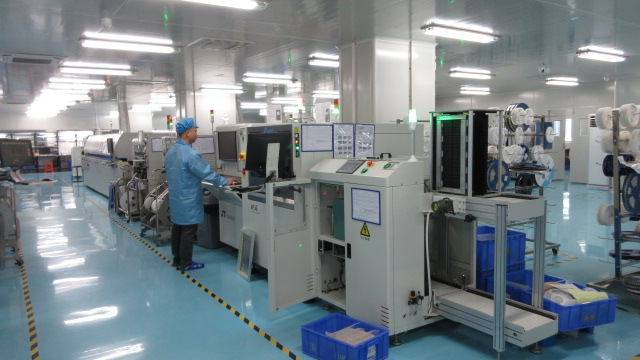
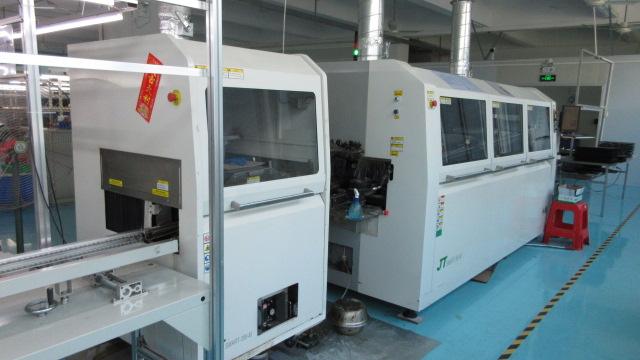
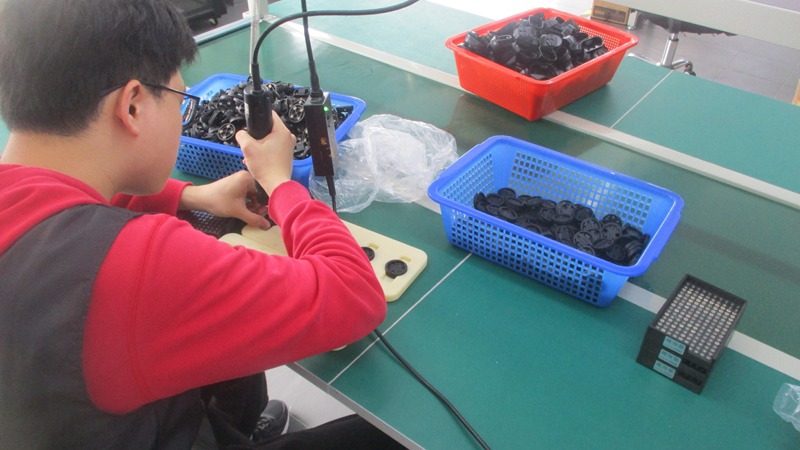
From metallurgical cast iron foundries to high-precision SMT electronic lines, Qingdao Nittanya integrates advanced automation systems to supply comprehensive smart braking components globally.
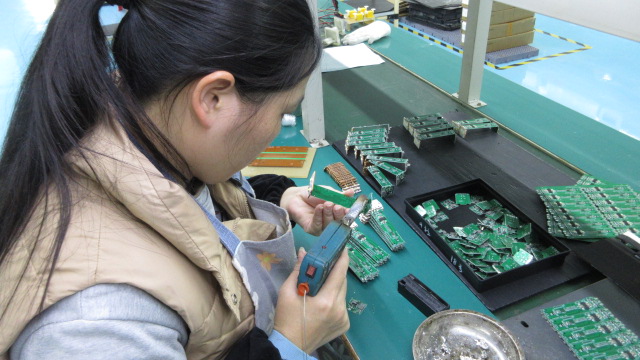
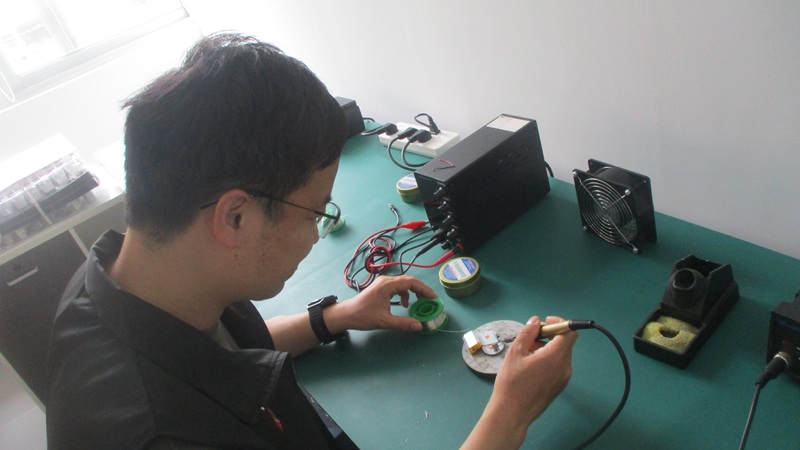
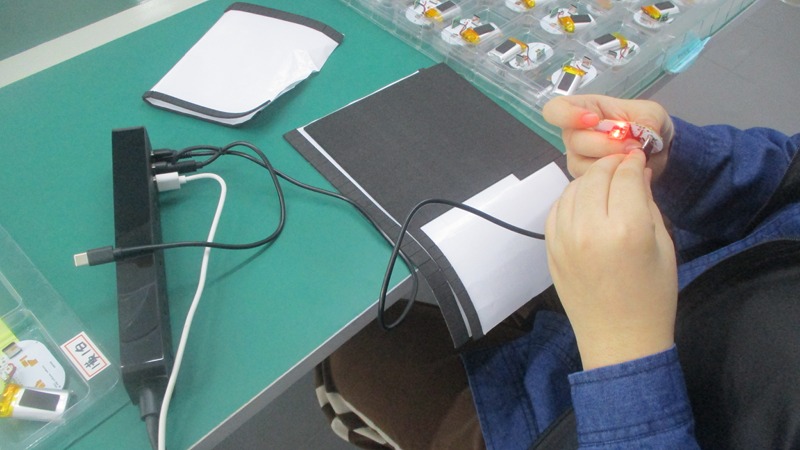
A major competitive advantage of Qingdao Nittanya Auto Co., Ltd. lies in our dual-competency framework. We do not only manufacture the heavy cast-iron mechanical components of the braking system (brake discs, drums, and hubs); we also boast advanced Surface Mount Technology (SMT) and automated PCB assembly (PCBA) lines. This unique vertical capability allows us to produce integrated smart braking components, including brake wear indicator sensors, electronic parking brake (EPB) control boards, and Anti-lock Braking System (ABS) electronic modules.
By controlling both the physical metallurgy of the ventilated rotor and the electronic feedback systems of the brake pad assembly, we ensure perfect electronic-to-mechanical synergy. This minimizes response times, eliminates integration bugs between mechanical assemblies and electronic control units (ECUs), and guarantees long-term durability in complex vehicle architectures.





How internal rotor geometry and high-carbon alloy composition minimize thermal cracking, brake noise, and structural deformation.
By increasing the carbon content to 3.6% - 3.8% and adding silicon, manganese, and chromium alloys, our rotors provide a higher damping coefficient, resisting thermal shocks and eliminating squeal or judder under heavy pressure.
Standard rotors use straight radial vanes. Nittanya designs premium rotors with curved and staggered diamond pillar vanes, creating turbulent airflow that transfers heat up to 30% faster than standard configurations.
We apply Geomet 321 and 500 zinc-flake coatings, which pass 240 to 480 hours of salt spray testing (ASTM B117) without causing environmental heavy metal pollution. It maintains high heat dissipation and clean aesthetics.
| Parameter / Specification | Nittanya Premium Ventilated Rotor | Standard Aftermarket Rotor | Impact on Vehicle Safety |
|---|---|---|---|
| Carbon Chemistry (C) | 3.55% - 3.85% (High Carbon) | 3.10% - 3.30% (Standard Cast) | Reduces thermal cracking and brake noise (judder). |
| Disc Thickness Variation (DTV) | < 0.008 mm | < 0.025 mm | Prevents pedal pulsation and steering wheel shake. |
| Dynamic Balance Tolerance | < 80 g·mm | < 150 g·mm | Eliminates high-speed vibration; protects wheel bearings. |
| Tensile Strength (Rm) | ≥ 220 MPa | ≥ 180 MPa | Provides superior resistance to mechanical shear stress. |
| Hardness (HB) | 180 - 230 HB | 160 - 200 HB | Ensures long wear life and uniform brake pad bedding. |
Engineered for diverse environments: from mountain descents in South America to stop-and-go European logistics corridors.
Braking systems do not operate in a vacuum. Environmental conditions dictate performance requirements. Our ventilated brake discs are designed and optimized for specific global challenges:
Global distributors require reliable supply partners to protect their inventories from sudden ocean shipping delays and material shortages. Located in Qingdao, China, one of the world's top ten busiest container ports, Nittanya Auto leverages an unmatched logistical gateway.
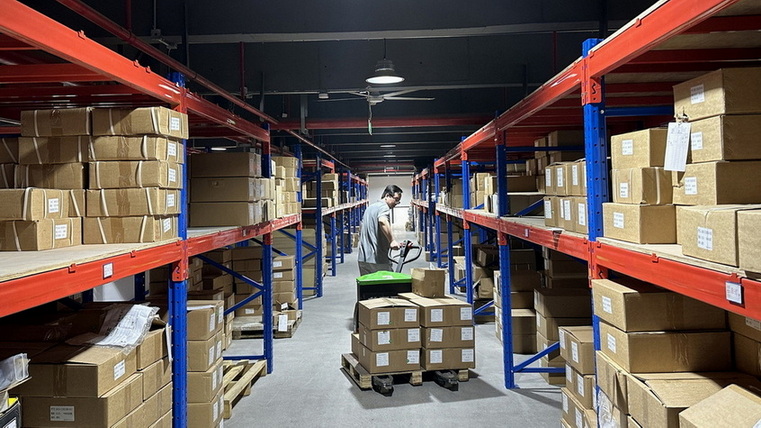
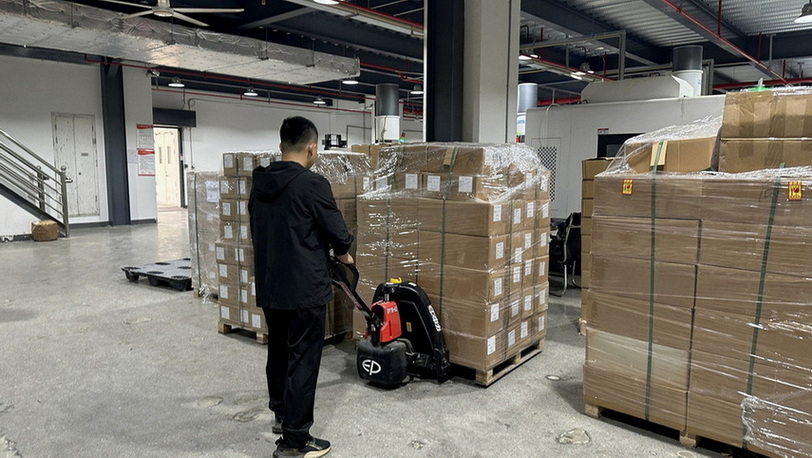
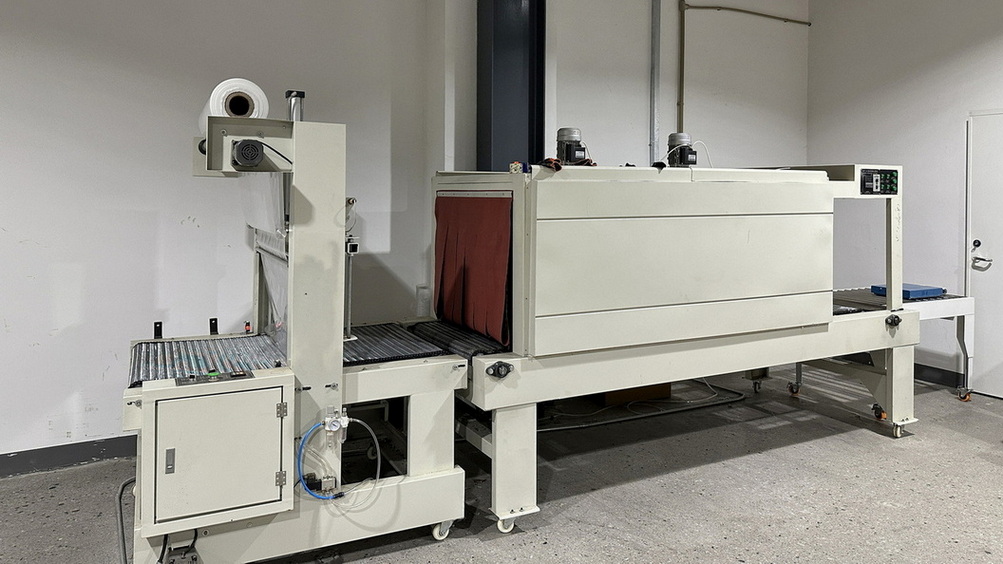
Our raw material sourcing utilizes direct, long-term contracts with regional iron foundries, ensuring stable prices and insulation from spot-market volatility. By keeping major casting, heat treating, CNC machining, dynamic balancing, and packaging operations under one roof, we eliminate intermediate delays and retain strict quality control.
With an annual capacity of over 1 million pieces, we manage bulk orders with shorter lead times than competitors: standard production runs are finished in 35-45 days, and urgent OEM production lines can be prioritized to secure key aftermarket networks.
Meeting strict international standard requirements today while preparing for the eco-friendly, low-emission braking regulations of tomorrow.
European and American regulatory landscapes are shifting. With the upcoming implementation of the Euro 7 emissions standards, non-exhaust emissions—specifically brake wear dust—are subject to strict regulatory limits. Conventional brake discs shed significant iron particles under heavy friction. Qingdao Nittanya is already developing solutions for this regulatory shift:
1. Bi-Metallic Lightweight Rotors: Combining an aluminum hat with a high-carbon grey iron friction ring reduces unsprung mass by up to 20%, lowering vehicle energy consumption while maintaining superior heat dissipation capacity.
2. HVOF (High-Velocity Oxygen-Fuel) Coating: Applying thin tungsten-carbide or ceramic coatings to the brake rotor surface. This layer reduces brake dust emissions by up to 90%, virtually eliminates wear, and prevents rust in coastal damp climates.
3. Absolute Quality Certification Compliance: Our entire manufacturing portfolio adheres strictly to ISO 9001 and IATF 16949 standards. For European markets, our brake discs are manufactured to match ECE R90 tolerances, confirming that every aftermarket rotor matches the performance of the Original Equipment (OE) part within ±15%.
Get authoritative answers on metallurgical quality, customized designs, certification standards, and supply logistics.
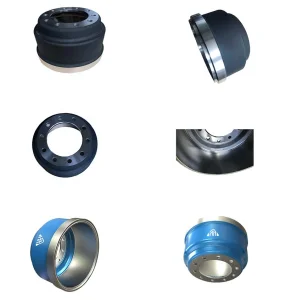
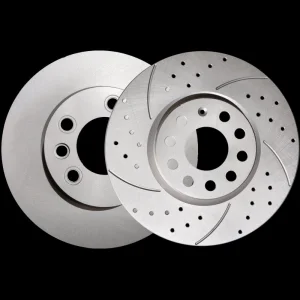
Premium brake drums, high-durability ventilated rotors, and high-performance carbon-ceramic discs for global transport fleets.