Nittanya Auto
Nittanya Auto
Nittanya Auto
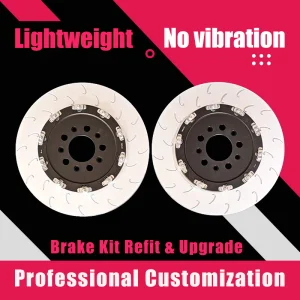
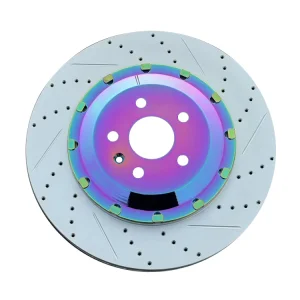
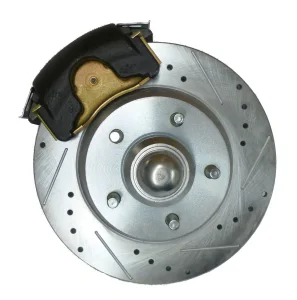
Explore our engineering-grade ultra-lightweight rotors, hybrid composite brake discs, and performance-tuned assemblies.
Analyzing the paradigm shift toward unsprung mass optimization and thermal management in advanced braking systems.
Unsprung weight plays a crucial role in vehicle dynamics, tire-to-road contact, and overall energy conservation. Modern light-alloy and composite materials have transitioned from niche motorsport options to mainstream automotive engineering requirements. In response to the rigorous carbon footprint rules set by global jurisdictions, premium manufacturers prioritize ultra-lightweight rotors to optimize fuel economy and battery range.
Our research and engineering initiatives focus on high-carbon cast iron, alloyed steel, and carbon-ceramic matrices. Reducing rotor mass by 20% to 40% yields a direct reduction in rotational inertia. This facilitates quicker throttle response, shorter braking distances, and more responsive suspension feedback across variable terrain profiles.
A comprehensive roadmap showing our evolution from high-grade casting to hybrid compound and carbon composite machining.
Utilizing targeted additions of copper, chromium, and molybdenum in grey cast iron (GG20HC/GG25HC). This creates a dense, thermally conductive graphite matrix that prevents micro-cracks during thermal cycling.
Advanced Computational Fluid Dynamics (CFD) designs are translated into custom casting molds. Curved, directional, or pillar-vent configurations optimize internal air velocity and heat dissipation.
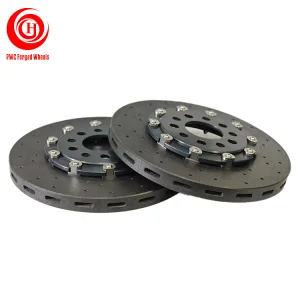
Two-piece designs feature a lightweight CNC-machined aerospace aluminum hub coupled to a cast-iron friction ring. This setup isolates thermal stress and reduces unsprung weight by up to 30% per axle.
Spectrographic analysis ensures carbon-silicon balance for uniform density and friction stability under extreme load cycles.
Maintains parallelism tolerance below 0.005mm and runout below 0.03mm, minimizing pedal pulsation and NVH (Noise, Vibration, Harshness).
Advanced protective zinc-flake thin films are applied. These coatings survive 240+ hours of continuous salt spray testing without compromising thermal transfer.
Discover the manufacturing standards and infrastructure at Qingdao Nittanya Auto Co., Ltd.
Qingdao Nittanya Auto Co., Ltd. is a professional manufacturer and exporter specializing in automotive braking system components, including brake discs, brake drums, brake hubs, and related auto parts. Located in Qingdao, China, one of the country's most important international port cities, the company enjoys convenient transportation and excellent logistics advantages for global shipments.
Since its establishment, Nittanya Auto has been committed to providing high-quality automotive parts to customers worldwide. Our production facilities are equipped with advanced casting, machining, balancing, and testing equipment. This ensures stable production capacity and strict quality control throughout every manufacturing process. The annual production capacity exceeds one million pieces, enabling us to meet the diverse demands of both OEM and aftermarket customers.
We implement rigorous inspection procedures and continuously improve our manufacturing processes to ensure that every product meets international quality standards. In addition, we offer flexible OEM and ODM services, helping customers develop customized solutions for their specific market requirements.
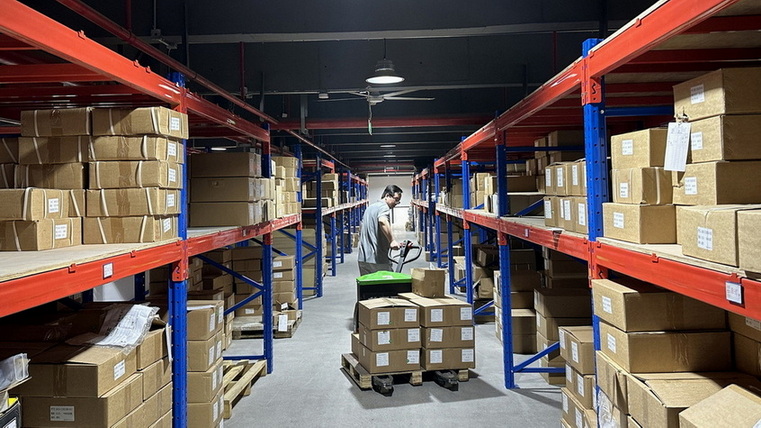 Raw material
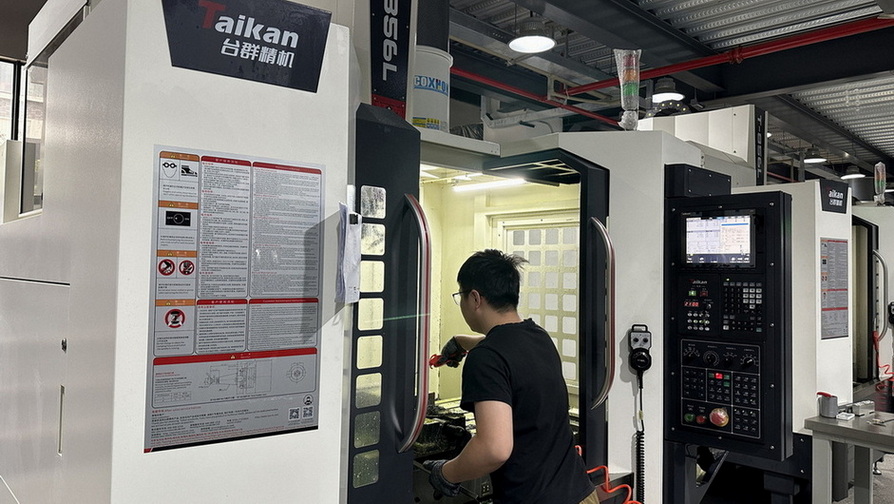 CNC machining
 Automatic packaging
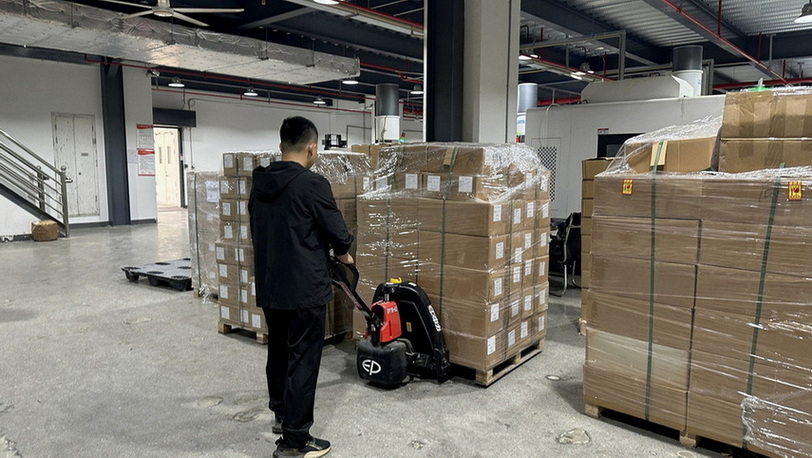 Finished Product
 CNC equipment
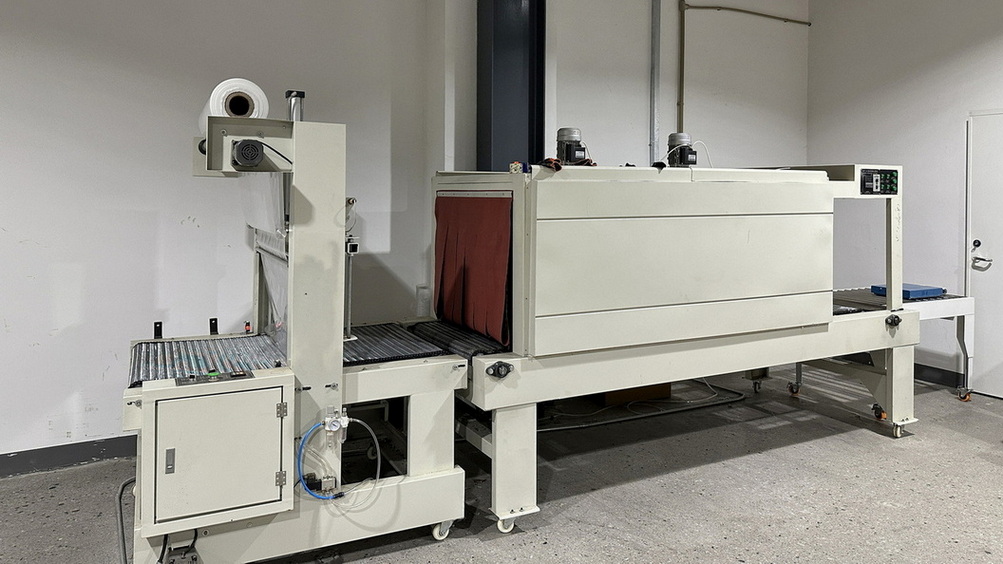 Packaging System
Braking systems often require smart wear-indicator components and electronic sensor modules. Our in-house electronics facility features SMT, automated inspection, and quality assurance processes.
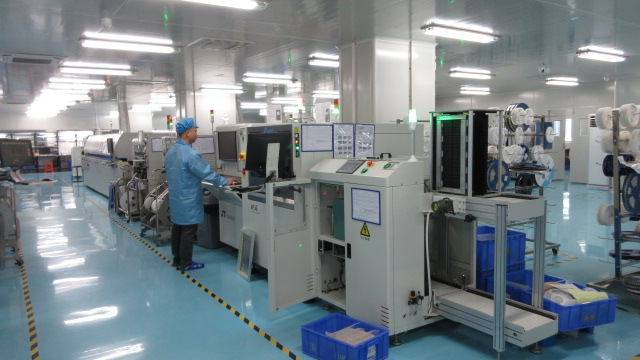 SMT Line
 AOI Testing
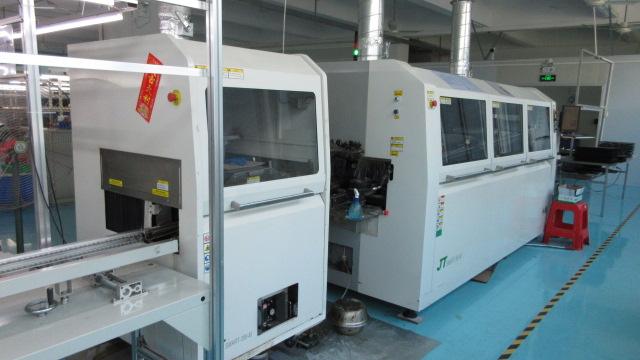 Component Insertion
 Wave Soldering
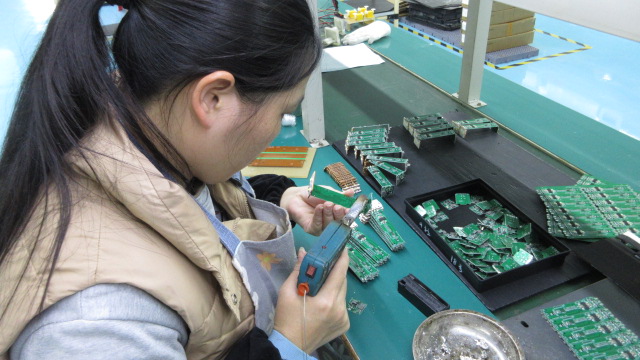 Manual Soldering
 Calibration & Check
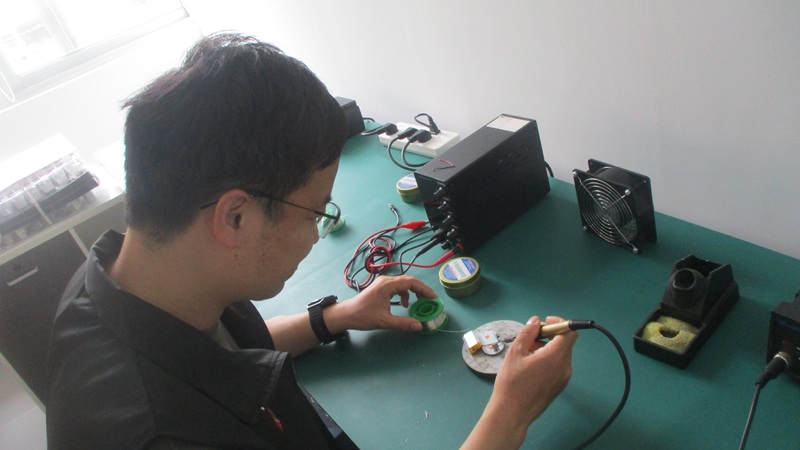 PCB Welding
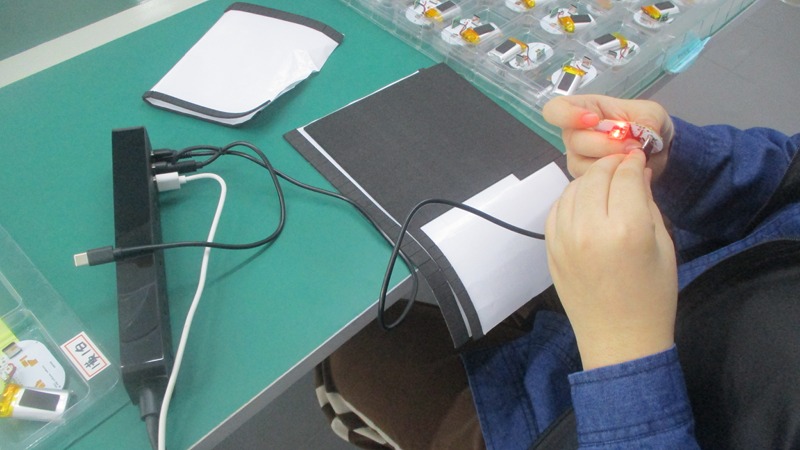 Function Verification
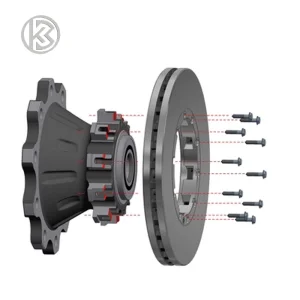
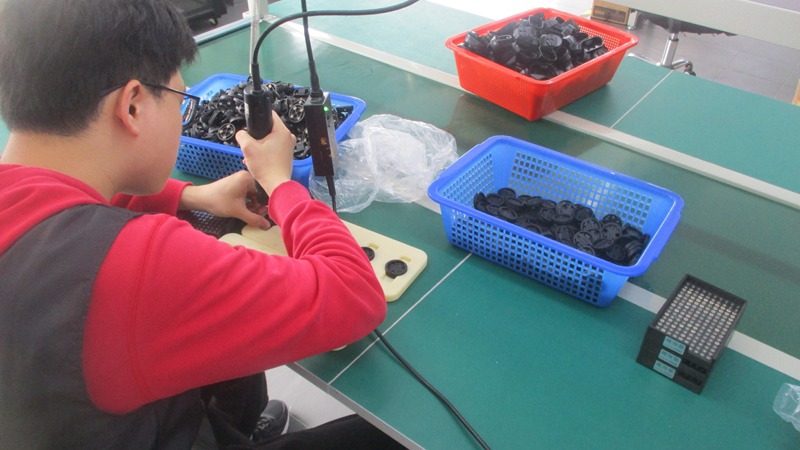 Automated Mounting & Torque Verification
How our engineering adapts to different regional standards and severe service environments.
Our premium replacement rotors meet European ECE R90 specifications. They undergo dyno tests to ensure stopping parameters stay within 15% of the original equipment.
We support FMSI dimensional standards for light passenger vehicles, heavy-duty trucks, and fleet delivery vehicles operating in variable climates.
Our location in Qingdao gives us access to deep-water shipping lanes. This logistics hub reduces lead times and cuts carbon output for shipping to major ocean ports.
Find answers to common questions about metallurgy, custom manufacturing, and ordering logistics.
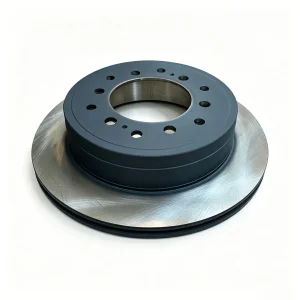
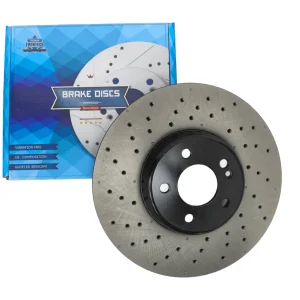
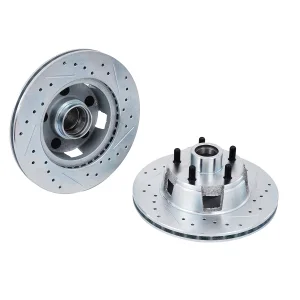
Explore our drilled, slotted, and multi-component braking solutions designed for global automotive platforms.