Nittanya Auto
Nittanya Auto
Nittanya Auto
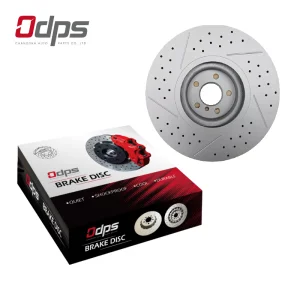
Explore our premium selection of dynamic braking system configurations engineered to meet international safety and performance standards.

How our carbon ceramic and composite technologies resolve weight, thermal, and durability challenges for modern global transit systems.
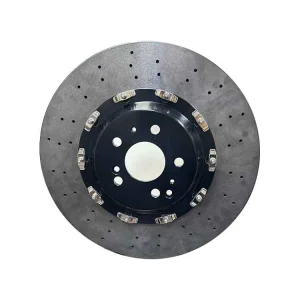
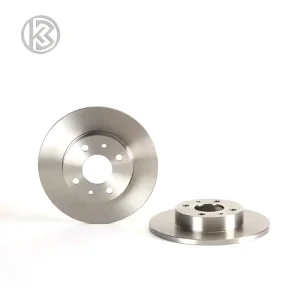
By replacing traditional cast iron rotors with Carbon Ceramic (C-SiC) matrices, we achieve up to a 60% reduction in unsprung mass. This enhances vehicle dynamics, decreases energy consumption, and extends EV battery range significantly.
With heat operating limits exceeding 1000°C without brake fade, our composite structures manage extreme thermal loads during repetitive high-speed deceleration, ensuring stable braking power when metallic discs fail.
C-SiC is virtually immune to chemical rust, environmental salts, and operational wear. Under typical highway operation, these discs last up to 300,000 km, lowering lifecycle replacement costs for commercial fleets and luxury vehicles alike.
How industry dynamics are driving high-performance friction material demand across regional automotive and industrial sectors.
Historically limited to Formula 1, track cars, and boutique hypercars, carbon composite friction material is experiencing a robust commercial expansion. The catalyst is the rapid electrification of passenger cars. Heavy battery packs add hundreds of kilograms of mass to vehicles, necessitating either larger, heavier cast iron brakes or a switch to light-weight, highly durable composite rotors.
Additionally, strict European Euro 7 regulations targeting particulate emissions from brakes have forced manufacturers to look beyond traditional steel. Under friction, carbon ceramic discs generate up to 90% less dust emissions than conventional cast-iron discs. This makes them the ultimate compliant choice for environmentally-conscious premium passenger cars and heavy-duty logistics vehicles globally.
From a manufacturing standpoint, China has become a global leader in high-performance composite production. By utilizing vertically-integrated carbon fibers, raw silicon sourcing, and advanced automated machining, companies like Qingdao Nittanya Auto Co., Ltd. can offer superior quality Carbon Ceramic Brake Discs at optimized B2B pricing structures.
| Parameters | Traditional Cast Iron | Carbon Ceramic (C-SiC) |
|---|---|---|
| Density (g/cm³) | 7.2 - 7.4 | 2.4 - 2.5 |
| Max Temperature Limit | ~650°C | > 1200°C |
| Friction Stability | Fades under heat | Maintains consistent CoF |
| Brake Dust & Wear | High (black dust) | Negligible |
| Service Life | 50,000 - 80,000 km | Up to 300,000 km |
Qingdao Nittanya Auto Co., Ltd. — Your trusted partner in global automotive braking system technologies.
Qingdao Nittanya Auto Co., Ltd. is a professional manufacturer and exporter specializing in automotive braking system components, including brake discs, brake drums, brake hubs, and related auto parts. Located in Qingdao, China, one of the country's most important international port cities, the company enjoys convenient transportation and excellent logistics advantages for global shipments.
Since its establishment, Nittanya Auto has been committed to providing high-quality automotive parts to customers worldwide. With years of industry experience and continuous technological innovation, the company has developed into a reliable supplier serving customers across Europe, North America, South America, Africa, the Middle East, and Asia.
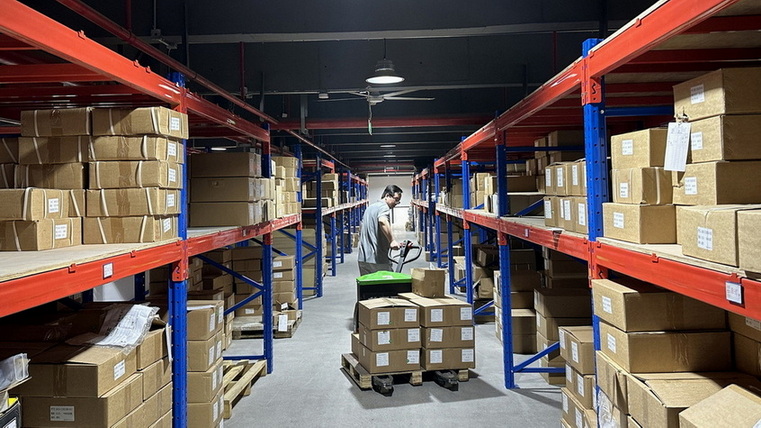
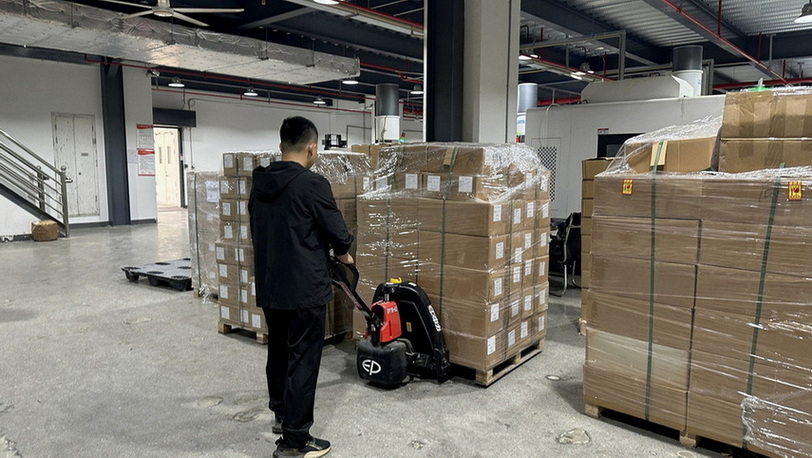
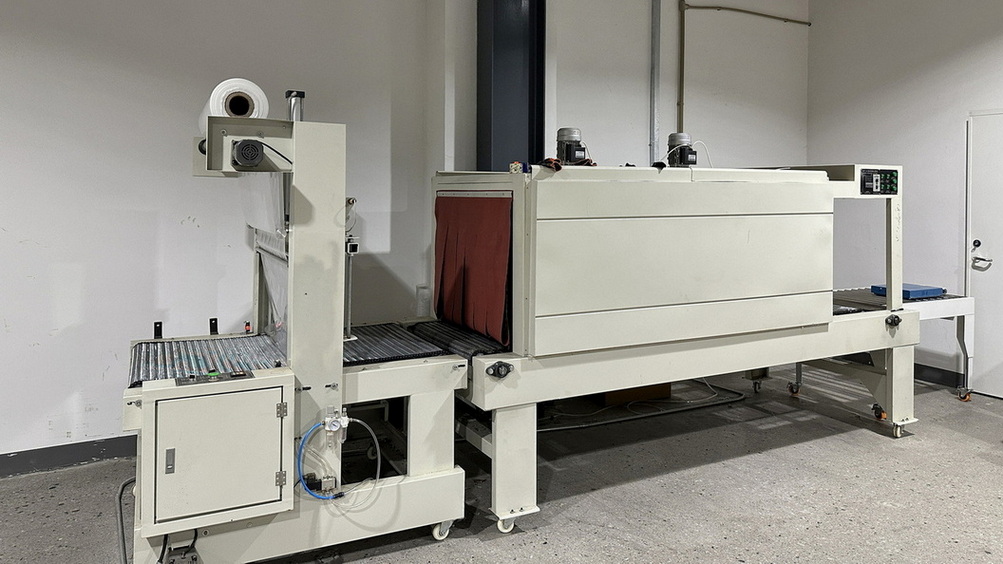
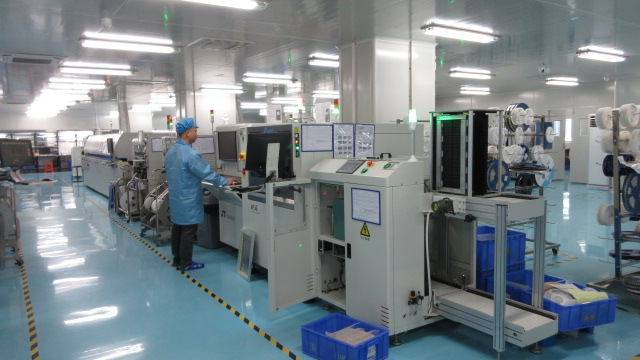
Our production facilities are equipped with advanced casting, machining, balancing, and testing equipment, ensuring stable production capacity and strict quality control throughout every manufacturing process. The annual production capacity exceeds one million pieces, enabling us to meet the diverse demands of both OEM and aftermarket customers.
Nittanya Auto possesses a strong technical team consisting of experienced engineers and skilled professionals dedicated to product development, quality improvement, and technical support. Our extensive product range covers more than 1,000 models suitable for European, American, Japanese, Korean, and other international vehicle applications.
Quality is at the core of our business. We implement rigorous inspection procedures and continuously improve our manufacturing processes to ensure that every product meets international quality standards and customer expectations. In addition, we offer flexible OEM and ODM services, helping customers develop customized solutions for their specific market requirements. Guided by the principles of excellent quality, competitive pricing, timely delivery, and professional service, Qingdao Nittanya Auto Co., Ltd. strives to build long-term and mutually beneficial partnerships with customers around the world.



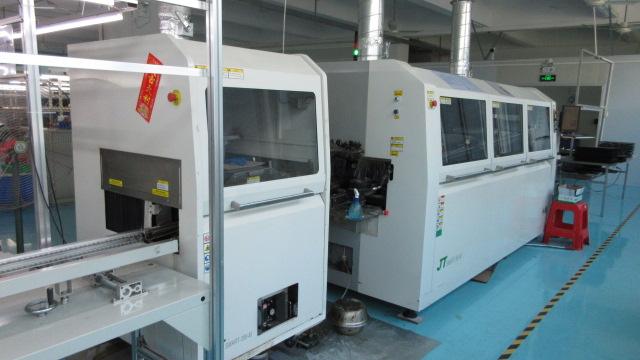

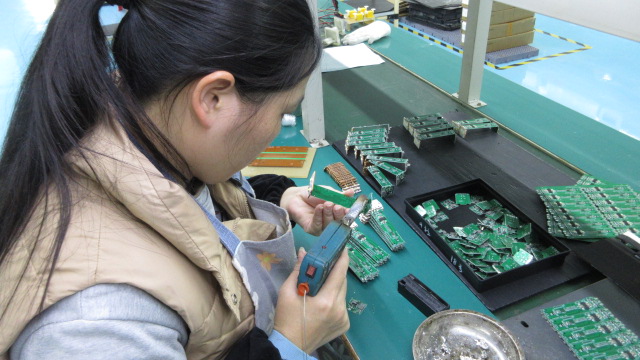

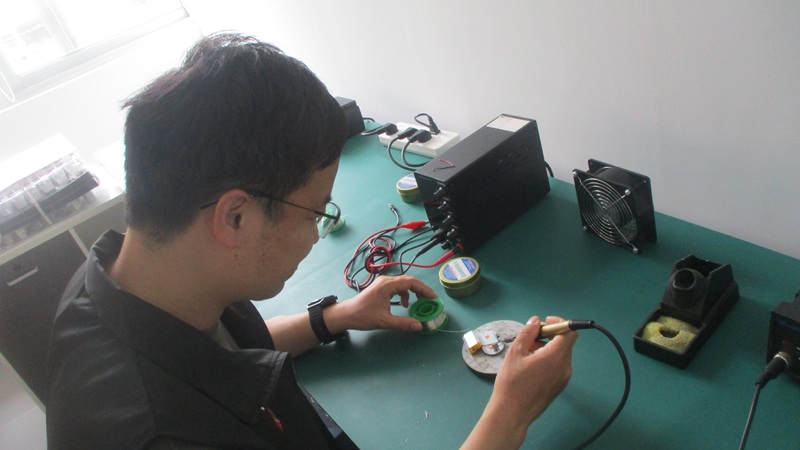
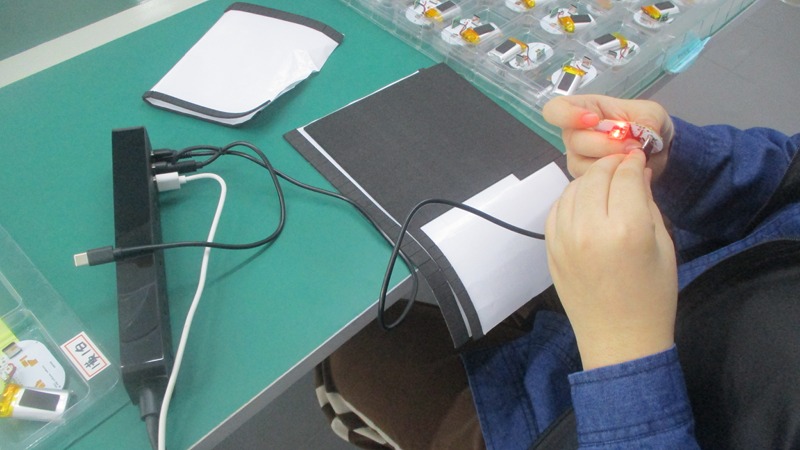
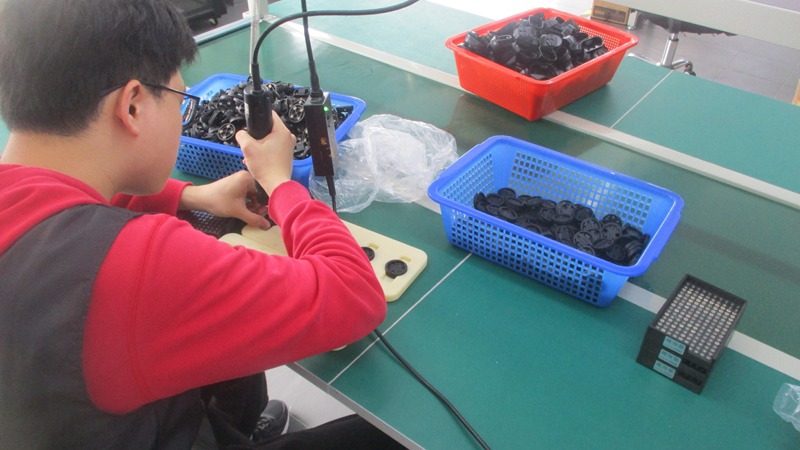
Deep engineering insights into the production of Carbon Fiber Reinforced Silicon Carbide (C-SiC) structures.
We utilize high-tensile polyacrylonitrile (PAN) carbon fibers chopped and layered with phenolic binders. Using 3D-needle punch configurations, we build a porous 3D preform disc. This architecture dictates the spatial distribution of strength and thermal conductivity throughout the rotor body.
The preform is pyrolyzed into carbon-carbon (C/C). Under vacuum conditions exceeding 1600°C, liquid silicon is drawn into the pores. The silicon reacts chemically with the carbon matrix, forming a dense structure of Silicon Carbide (SiC) reinforced by tough carbon fibers.
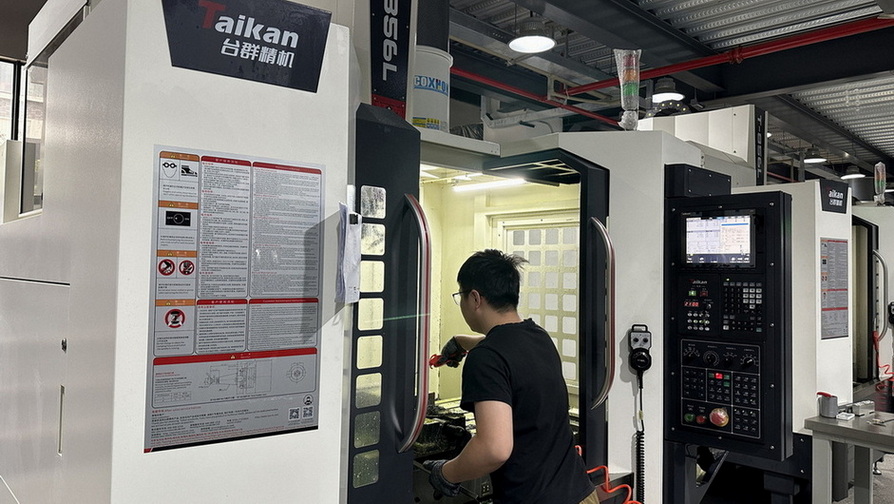
Because of the extreme hardness of Silicon Carbide (second only to diamond), standard tooling is unusable. We employ precision multi-axis CNC machines equipped with polycrystalline diamond (PCD) grinders to mill cooling vents, bolt holes, and achieve flat tolerances within 0.01mm.
Our R&D center is actively pioneering continuous-fiber wrapping techniques. Unlike traditional chopped carbon-silicon carbide discs, continuous fiber weaving prevents structural micro-fracturing under intense mechanical stress and increases overall tensile strength by up to 35%. This development is set to redefine safety baselines for defense and high-velocity aerospace braking assemblies by 2026.
From city transit grids to motorsport race tracks, our components are engineered for diverse environments.
Track vehicles face massive heat cycles. Transitioning to C-SiC discs avoids rotor warpage, preserves pedal feel, and allows drivers to execute late-braking cornering without thermal deterioration. Ideal for aftermarket upgrades on Porsche, Ferrari, BMW M, and Mercedes AMG models.
Heavy battery platforms require high torque containment. Using carbon ceramic material shaves off unsprung weight to extend range, while reducing braking dust particles, keeping alloy rims clean and supporting regenerational braking loops effectively.
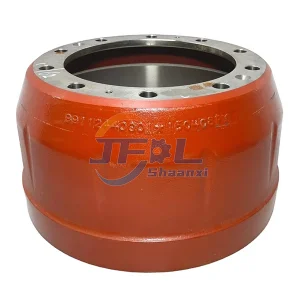
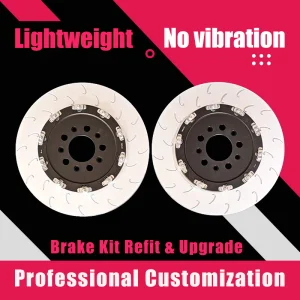
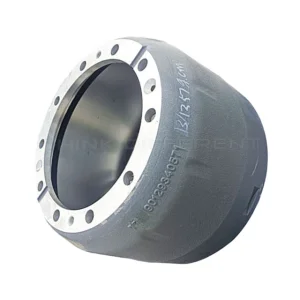
Armored vehicles demand extreme stopping power under heavy payload loads. Our heavy-duty brake drums and custom multi-piece carbon rotors deliver instantaneous stopping safety profiles and can withstand long descents in mountainous territories without failing.
Ensuring cross-border compliance, certified testing, and direct port shipments from Qingdao.
Every batch of brake rotors and drums manufactured at our factory is subjected to rigorous quality audits. We support and comply with the following global standards:
Situated in the industrial hub of Qingdao, Shandong Province, we leverage direct access to one of the world's largest deep-water shipping terminals. This enables us to orchestrate streamlined sea, rail, and air freight options:
Direct, technical answers to the most common questions raised by automotive procurement managers and mechanical engineers.
Discover more specialized braking system options, including heavy truck drums, coated rotors, and performance floating discs.