Nittanya Auto
Nittanya Auto
Nittanya Auto
Engineered for high performance, motorsport tracks, and luxury road applications across Australia.
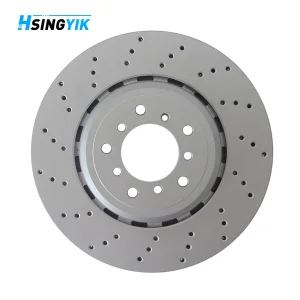
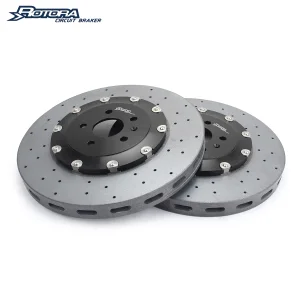
An expert analysis of carbon ceramic friction systems in Australia's diverse environmental conditions.
Australia boasts a unique automotive market characterized by a strong enthusiasm for high-performance track-day vehicles, utility vehicles operating under heavy payloads, and a rapidly expanding luxury SUV segment. Crucial sectors such as mineral exploration, defense logistics, and performance tuning industries in Victoria, New South Wales, and Western Australia present harsh environmental conditions. Standard grey cast iron rotors suffer from thermal cracking, excessive brake fade, and structural degradation under these operating limits.
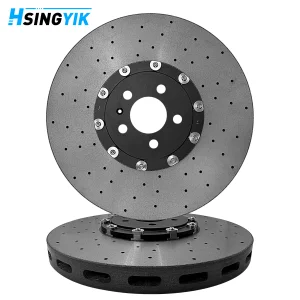
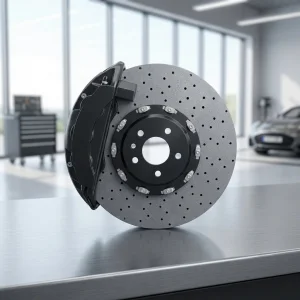
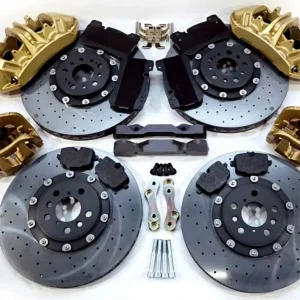
To meet this demanding landscape, carbon ceramic matrix composites (C-SiC) have transitioned from niche aerospace and supercar components to highly sought-after retrofits for commercial fleets, high-performance daily drivers, and heavy towing setups across Australia. With thermal limits exceeding 1,000°C and a weight reduction profile of up to 60% compared to cast iron counterparts, carbon-ceramic rotors optimize unsprung weight, thereby improving suspension tracking, steering response, and thermal dynamics on the road.
Polyacrylonitrile (PAN) precursor carbon fibers are chopped, molded, and carbonized through high-temperature Pyrolysis to form a porous carbon-carbon skeleton.
Liquid silicon is infiltrated into the matrix at over 1,450°C in vacuum furnaces. Silicon reacts with carbon, yielding a tough, wear-resistant Silicon Carbide (SiC) phase.
Super-hard diamond tooling grinds the rotor to precise parameters. Protective surface layers are applied to shield against thermal oxidation and salt spray corrosion.
Tailored engineering and supply chain resilience for Australian automotive distributors and industrial fleets.
We offer customized technical solutions designed specifically for Australia's unique conditions, matching standard ADR (Australian Design Rules) specifications. Whether adapting brakes for mining operations in Pilbara's dust-heavy atmosphere or upgrading track-focused sports cars in Sydney and Melbourne, our product offerings are tailored to optimize performance.
Extremely durable rotors built to resist thermal fatigue, abrasives, and dust ingress in demanding outback environments, minimizing costly downtime.
Engineered for track performance with exceptional thermal conductivity and minimal pad wear, ensuring consistent lap times under racing conditions.
Full engineering capabilities to design, prototype, and manufacture custom bell hats and rotor dimensions tailored to bespoke vehicles.
Combining automated precision machining and rigorous quality control protocols to ensure reliable global supply chains.
Operating from Qingdao, China's premiere coastal logistics hub, Qingdao Nittanya Auto Co., Ltd. produces high-performance friction components for international markets. Our advanced manufacturing facility features automated CNC lines, precision balancing machines, and strict quality verification steps to guarantee product consistency.
With a yearly output exceeding one million units, we maintain stable production and supply chains, shielding global distributors and Australian partners from raw material shortages. All components are cataloged and traceable from raw material sourcing to packaging, complying with ISO 9001 and IATF 16949 standards.
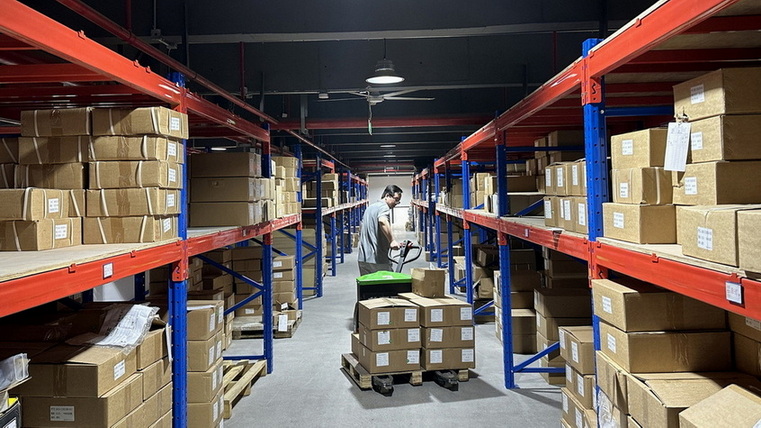 Raw material
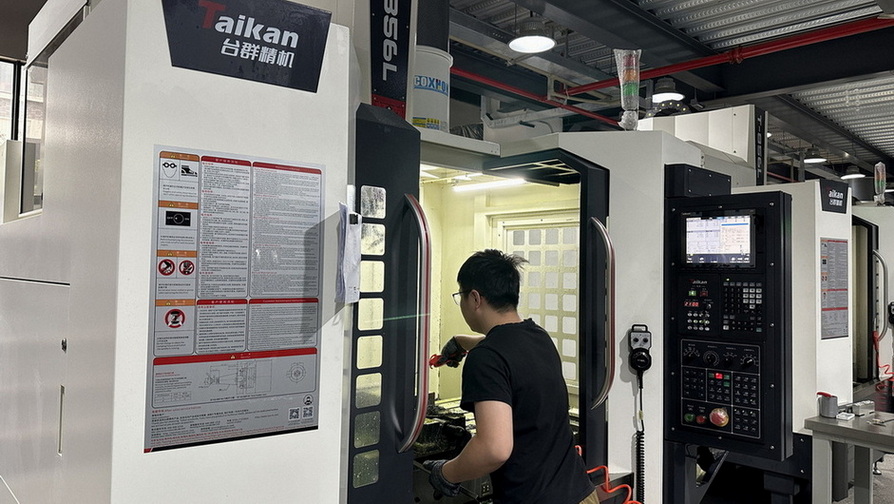 CNC machining
 Automatic packaging
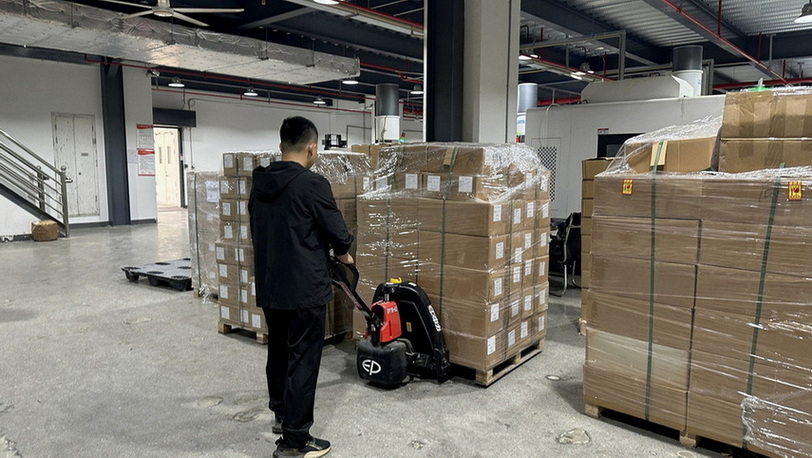 Finished Product
 CNC machining equipment
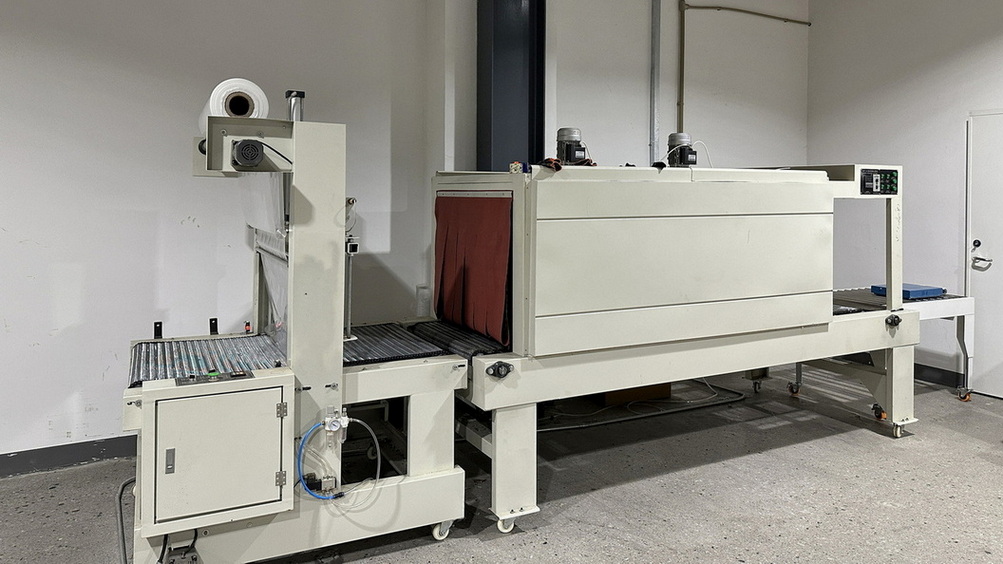 Automatic packaging equipment
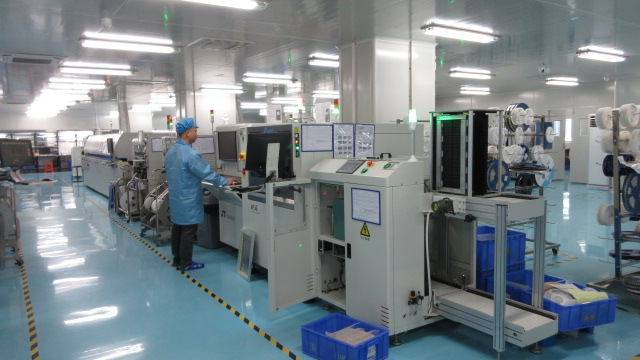 SMT
SMT
 AOI
AOI
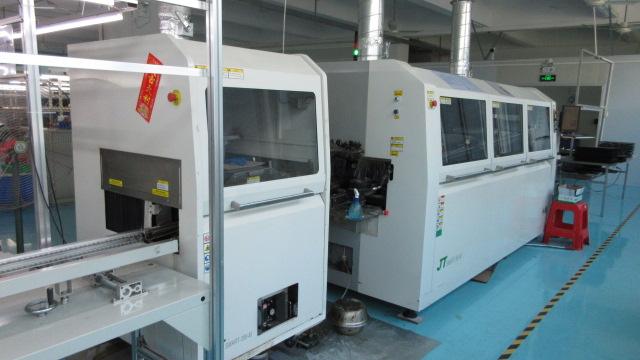 Insert Device
 Wave Soldering
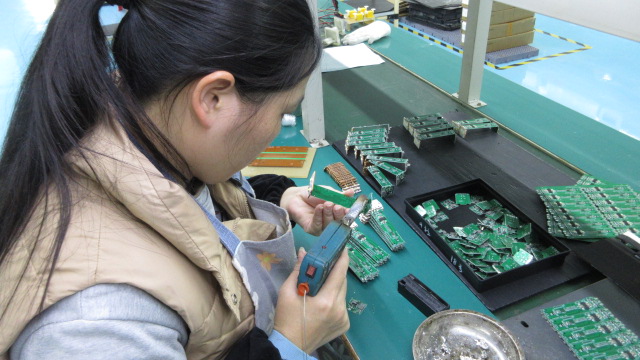 Manual Soldering
 Function Check
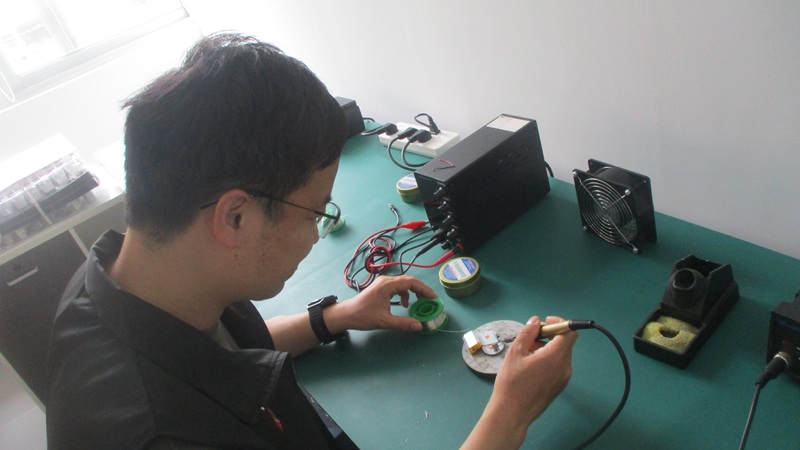 PCB Welding
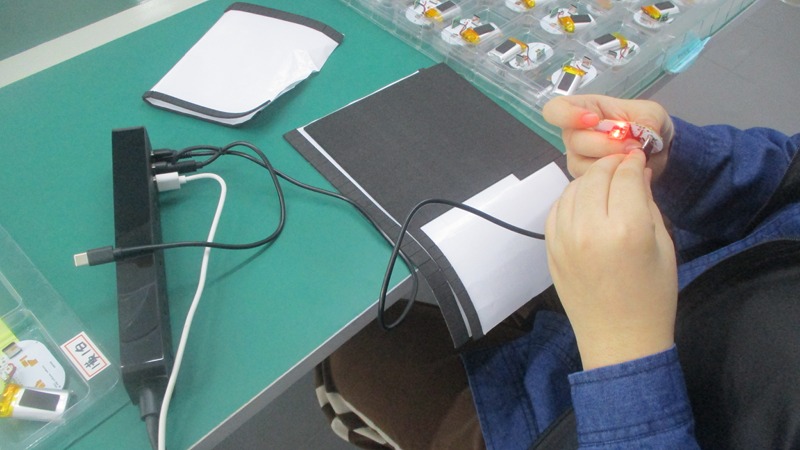 Function Check
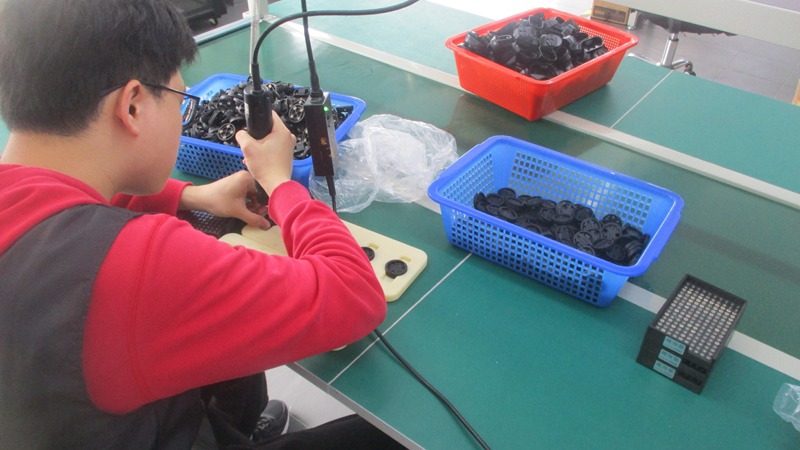 Mounting Screw
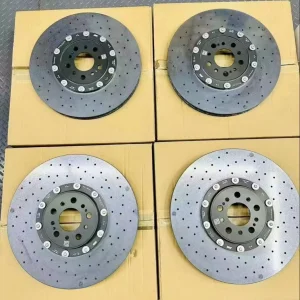
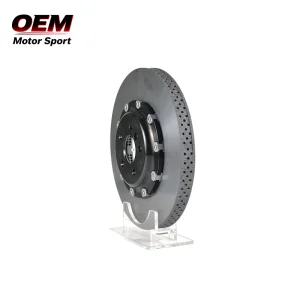
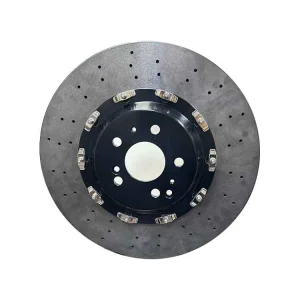
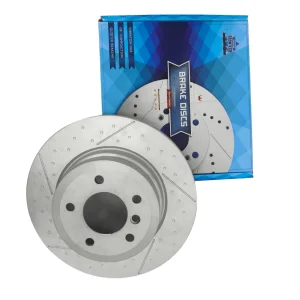
Fully compatible replacements and retrofits for major international and Australian automotive configurations.
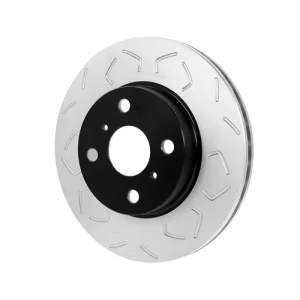

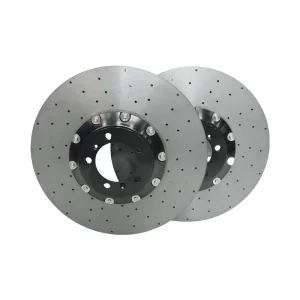

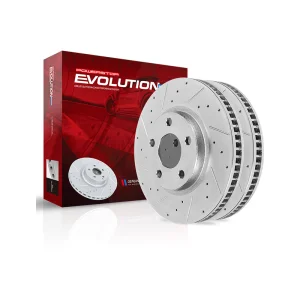
Insights from our senior design engineers regarding thermal management and life-cycle efficiency.
Under street and occasional track driving, carbon ceramic rotors can last up to 300,000 km, outlasting cast iron discs by three to four times. The main factor limiting their lifespan under extreme track use is carbon oxidation, which occurs at temperatures above 600°C. Regular mass monitoring or non-destructive Carboteq checks are recommended to track wear accurately.
Yes. Carbon ceramic friction surfaces must be paired with dedicated organic or semi-metallic friction compounds specifically formulated for C-SiC matrices. Standard metallic pads designed for iron rotors will damage the anti-oxidation surface coating, accelerating wear and degrading performance.
By saving up to 60% of the weight of a traditional rotor, carbon ceramic discs significantly reduce unsprung mass. This allows the suspension components to react faster to road imperfections, improving mechanical grip, steering feel, and overall cornering dynamics.