Nittanya Auto
Nittanya Auto
Nittanya Auto
Precision-engineered braking components for passenger, commercial, and high-performance applications.
In safety-critical automotive systems, the rear brake shoe serves as a foundational component of drum braking. Modern global specifications demand strict thermal dissipation profiles, shear resistance, and structural stability under extreme load cycles.
Rear brake shoes generally utilize three primary material categories to meet differing load requirements: Non-Asbestos Organic (NAO), Semi-Metallic, and Low-Steel / Ceramic variants. The friction coefficient (typically rating between FF and GG on the Link Test scale) must remain stable across temperatures up to 350°C to prevent thermal fade.
The backing plate, stamped from high-tensile carbon steel (e.g., Q235B or equivalent), must withstand significant shear stress during brake application. Standard Chinese industrial specifications require a minimum shear strength of 2.5 MPa, guaranteeing that the friction material remains securely bonded to the steel table under peak pressure.
For heavy-duty applications, advanced manufacturing integrates mechanical retention systems (MRS) or high-durability phenolic adhesive resins. This level of engineering ensures optimal heat dissipation, minimizes drag torque, and reduces cabin NVH (Noise, Vibration, and Harshness) levels for end-users.
Operating from the strategic international port city of Qingdao, China, Qingdao Nittanya Auto Co., Ltd. stands as a premier manufacturer and global exporter of high-grade automotive braking systems. With direct access to advanced logistics and shipping channels, Nittanya ensures rapid delivery times and seamless global distribution.
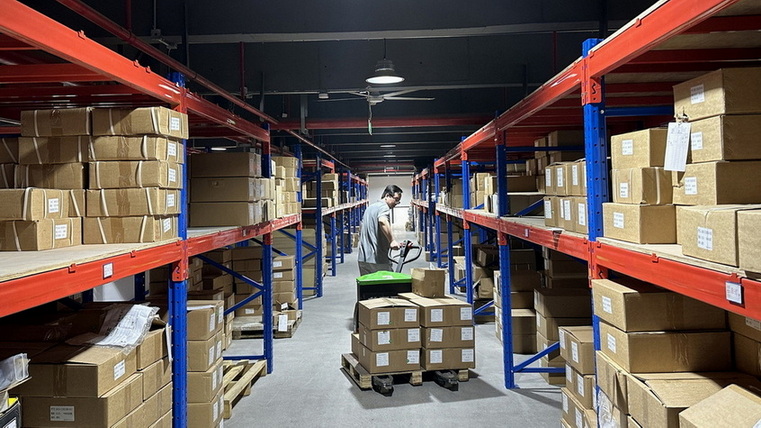
Our production workflow is optimized for both Original Equipment Manufacturer (OEM) and independent aftermarket (IAM) requirements. From raw material selection to CNC machining and balancing, each production phase is monitored by advanced diagnostic equipment.
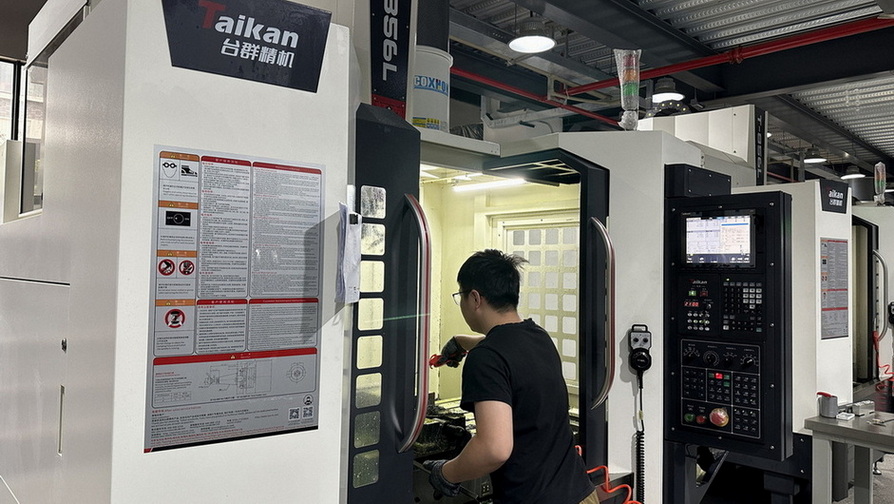

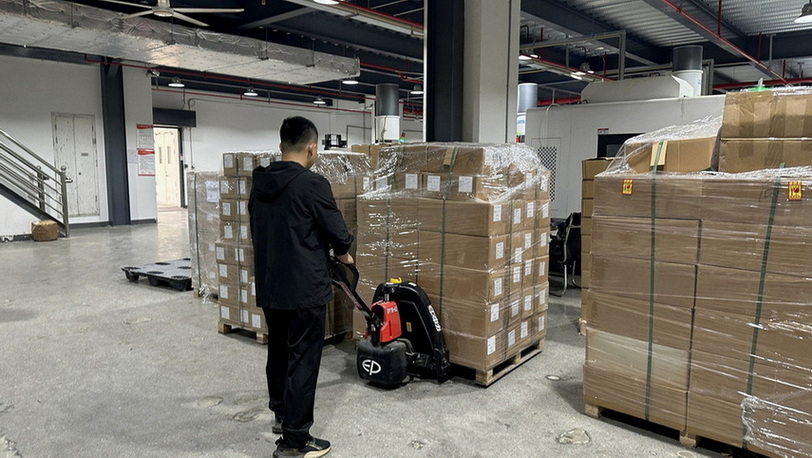

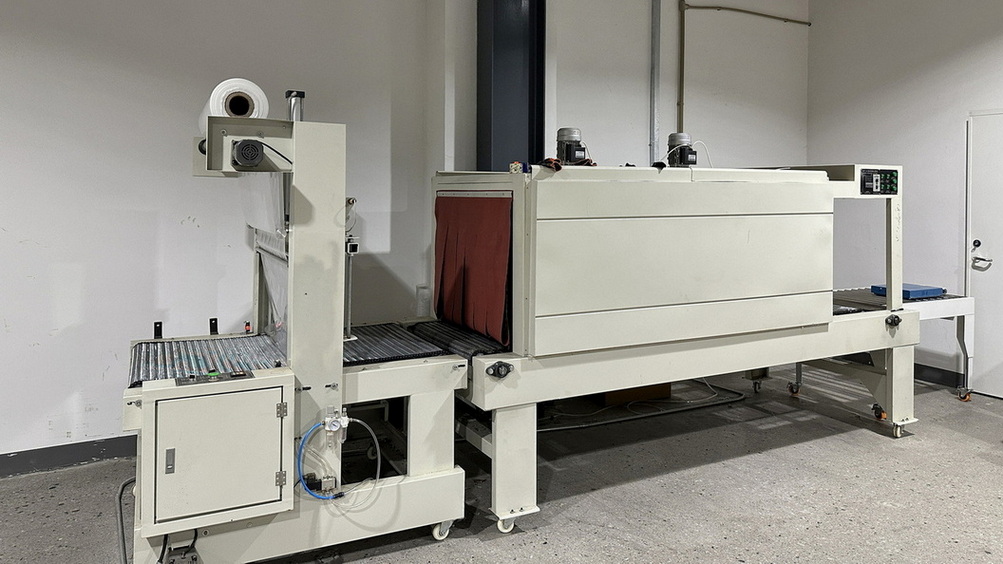
With the rise of Electric Vehicles (EVs) and advanced ADAS integrations, mechanical brake components must interface with digital Electronic Parking Brake (EPB) systems. Our facility features dedicated SMT (Surface Mount Technology) and electronic assembly lines to support smart braking actuation components.
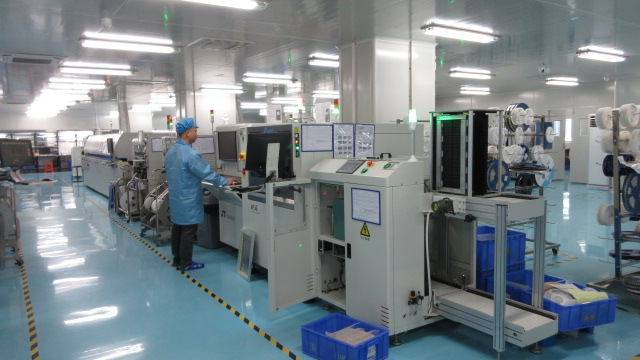

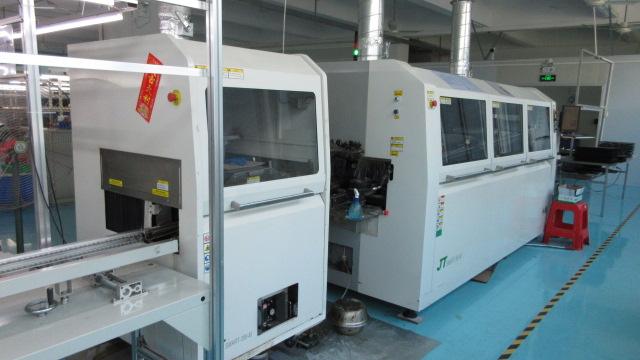

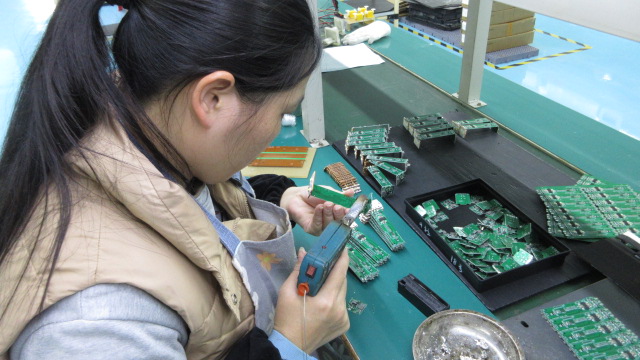

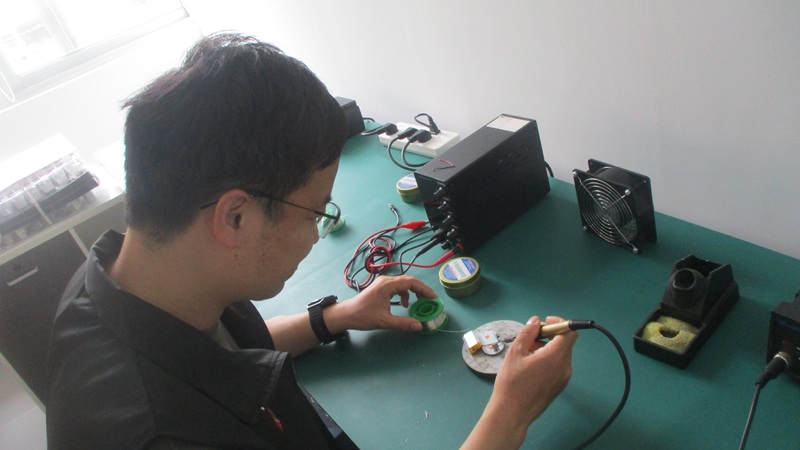
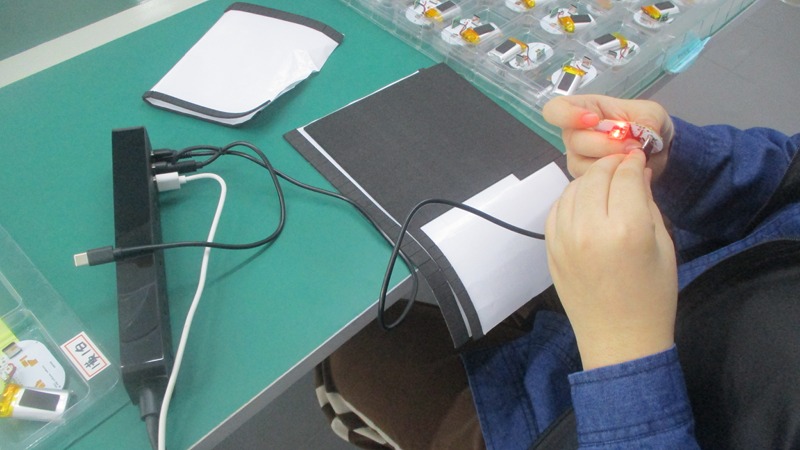
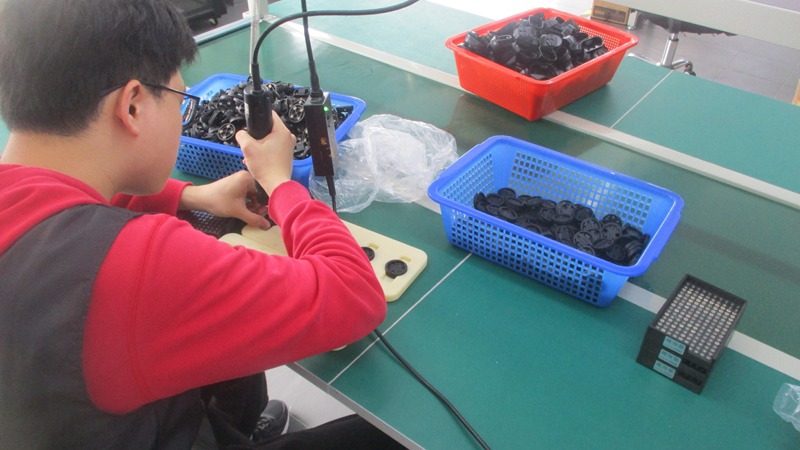
By housing both mechanical foundry and advanced electronics assembly (including wave soldering, AOI testing, and functional check stations) under one organization, Nittanya bridges the gap between classic friction elements and future-proofed electro-mechanical actuators.
Global Tier-1 procurement leads require a balance of cost efficiency, steady supply chains, and strict quality compliance. Purchasing from Nittanya provides key strategic advantages:
Leveraging Qingdao’s international deepwater port, we coordinate directly with global carrier networks. We minimize delivery delays through optimized manufacturing processes, automated tracking, and stable relationships with raw steel and copper-free friction material suppliers.
We provide full support for OEM/ODM requirements. From customized friction formulations tailored to specific markets (such as high-altitude or high-humidity regions) to customized packaging and private label printing, our automated packaging lines ensure each batch arrives in market-ready condition.
While disc brake setups dominate high-performance passenger vehicle axles, modern rear drum brake shoes are finding new applications in electric vehicle (EV) platforms and heavy commercial vehicles. Our engineering roadmap addresses these key areas:
Electric drivetrains use motor regeneration for primary deceleration. As a result, mechanical rear foundation brakes experience longer periods of inactivity, making corrosion resistance highly critical. Nittanya is developing advanced anti-corrosion backing plate coatings and low-hydroscopic friction linings to prevent binding or adhesion issues during prolonged storage or inactive operational states.
European Euro 7 regulations set limits on non-exhaust particulate emissions, including wear particles from brakes and tires. By using enclosed drum architectures combined with high-density ceramic friction linings, our drum brake systems help minimize brake dust emissions into the environment.
Selling replacement braking components in highly regulated markets requires strict compliance with international standards. Our manufacturing and inspection setups are designed to verify these standards:
Rear brake shoes designed for European markets undergo rigorous testing to secure ECE R90 approval. This certifies that replacement shoes perform within 15% of the original equipment (OE) parts, ensuring reliable friction levels and high shear performance.
For heavy duty trucks and light passenger vehicles in the US and Canadian markets, our products meet FMVSS 121 and 105 stopping distance requirements. We regularly verify performance through independent Link dynamometer tests.
For heavy-duty commercial applications, we recommend low-steel or semi-metallic friction materials. These formulations offer superior thermal stability, higher shear strength, and excellent heat dissipation under heavy loads. For passenger vehicles, ceramic and Non-Asbestos Organic (NAO) materials provide quieter operation and reduced dust emission.
We maintain consistency by sourcing high-quality raw materials and utilizing precision CNC machining. Each batch is verified through automated optical testing and sample checks, ensuring compliance with ISO and IATF standards.
Yes, we manufacture friction materials that comply with low-copper and copper-free legislation (e.g., California Senate Bill 346). These eco-friendly formulations contain less than 0.5% copper by weight and carry the corresponding leaf mark classification.
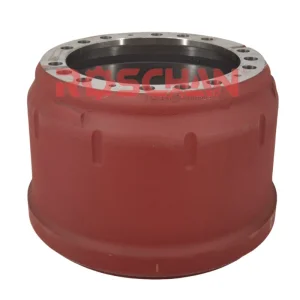
Heavy-duty and high-durability OE replacements for international applications.